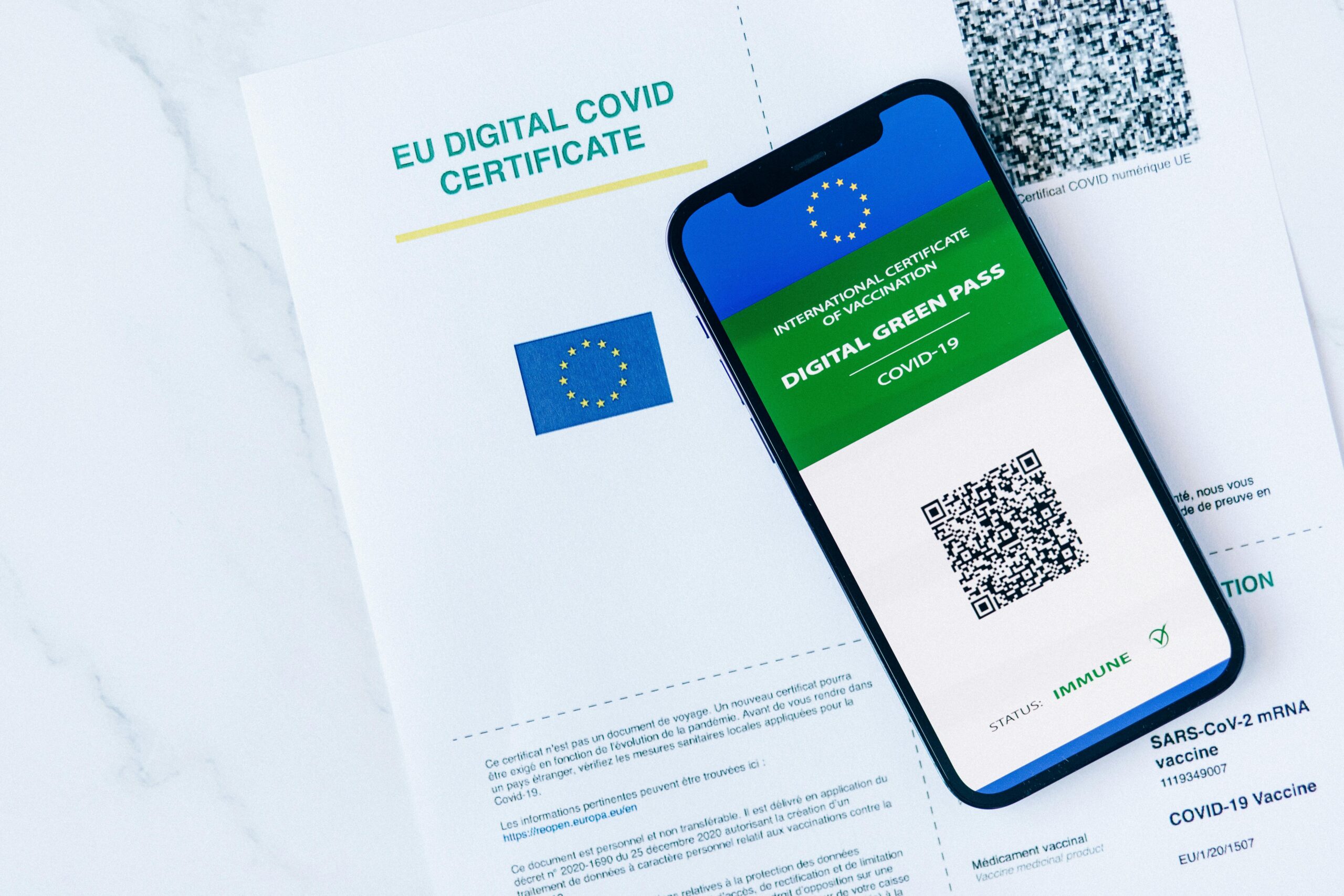
Public health initiatives are reshaping how communities address disease prevention, health equity, and overall wellbeing, creating lasting transformations that ripple through generations.

The power of collective action in healthcare cannot be overstated. When communities unite around shared health goals, supported by innovative programs and evidence-based interventions, the results can be nothing short of remarkable. From reducing infant mortality rates to controlling infectious disease outbreaks, public health initiatives have proven time and again that systematic, well-designed interventions can save lives and improve quality of life for entire populations.
Throughout history, public health has been the silent guardian of societal progress. While individual medical care treats one person at a time, public health initiatives cast a wider net, addressing the root causes of disease and creating environments where health naturally flourishes. Today’s public health landscape is more dynamic than ever, incorporating cutting-edge technology, community-driven solutions, and innovative approaches that honor both scientific rigor and cultural sensitivity.
🌍 The Foundation of Community Health Transformation
Community transformation through public health begins with understanding the unique challenges and assets within each population. Unlike one-size-fits-all approaches, effective public health initiatives recognize that communities are complex ecosystems with distinct cultural values, socioeconomic realities, and health needs. This recognition forms the bedrock of successful interventions.
The social determinants of health—factors like housing, education, employment, and access to nutritious food—play a crucial role in shaping health outcomes. Forward-thinking public health programs address these determinants directly, recognizing that you cannot separate health from the conditions in which people live, work, and play. By tackling these upstream factors, communities can prevent disease before it starts rather than simply treating symptoms after they appear.
Community engagement stands as perhaps the most critical element in transforming public health outcomes. When residents become active participants rather than passive recipients of health services, programs gain legitimacy, cultural relevance, and sustainability. This participatory approach ensures that interventions align with community priorities and leverage existing strengths and resources.
💡 Innovative Approaches Redefining Public Health
The digital revolution has opened unprecedented opportunities for public health innovation. Mobile health applications now provide personalized health information, medication reminders, and direct connections to healthcare providers. These technologies have proven particularly valuable in reaching underserved populations who may face barriers to traditional healthcare access.
Telehealth platforms have democratized access to specialist care, allowing rural communities to connect with experts hundreds of miles away. Mental health services, nutritional counseling, and chronic disease management have all benefited from these virtual care models. The COVID-19 pandemic accelerated adoption of these technologies, revealing both their immense potential and the digital divides that still need addressing.
Data analytics and artificial intelligence are transforming how public health professionals identify risks and target interventions. Predictive modeling can forecast disease outbreaks, identify populations at highest risk, and optimize resource allocation. These tools enable proactive rather than reactive public health responses, potentially preventing health crises before they fully emerge.
Community-Based Participatory Research
One of the most powerful innovations in public health has been the shift toward community-based participatory research (CBPR). This approach positions community members as equal partners in the research process, from identifying research questions to interpreting findings and implementing solutions. CBPR ensures that research addresses genuine community needs and that findings translate into practical, culturally appropriate interventions.
The benefits of CBPR extend far beyond individual research projects. This collaborative approach builds community capacity, develops local leadership, and creates sustainable infrastructure for ongoing health improvement. Communities that have engaged in CBPR often see lasting changes in health literacy, civic engagement, and collective efficacy around health issues.
🏥 Success Stories: Real-World Impact of Public Health Programs
Examining successful public health initiatives reveals common threads while showcasing the diversity of approaches that can drive transformation. These success stories provide valuable lessons for communities embarking on their own health improvement journeys.
Vaccination programs represent perhaps the most visible public health success story. Diseases that once killed or disabled millions—smallpox, polio, measles—have been eliminated or dramatically reduced through systematic immunization efforts. These programs demonstrate the power of combining scientific innovation with community outreach and education. Modern vaccination initiatives continue this legacy, adapting strategies to address vaccine hesitancy and reach marginalized populations.
Tobacco control initiatives offer another compelling example of transformative public health action. Through a combination of education campaigns, policy changes, taxation, and cessation support, many communities have dramatically reduced smoking rates. These multipronged approaches show how sustained effort across multiple sectors can shift social norms and behaviors, even around deeply ingrained habits.
Water and Sanitation Improvements
Access to clean water and adequate sanitation remains foundational to public health. Communities that have invested in water infrastructure, waste management systems, and hygiene education have seen dramatic reductions in waterborne diseases, infant mortality, and overall disease burden. These improvements often catalyze broader economic and social development, demonstrating the interconnected nature of health and prosperity.
In both developing and developed contexts, innovative approaches to water security are emerging. Community-managed water systems, rainwater harvesting, and point-of-use water treatment technologies are providing sustainable solutions tailored to local contexts. These interventions succeed when they combine appropriate technology with community ownership and management capacity.
🌟 Addressing Health Inequities Through Targeted Interventions
Health equity—ensuring that everyone has a fair opportunity to achieve their full health potential—has emerged as a central goal of modern public health. Addressing inequities requires acknowledging that certain populations face systematic barriers to health due to racism, poverty, discrimination, and other forms of structural inequality.
Targeted interventions designed with equity in mind can dramatically reduce disparities. Maternal and child health programs that provide culturally competent care, address transportation barriers, and offer home visitation services have successfully reduced racial disparities in birth outcomes. These programs recognize that simply making services available is insufficient; they must also be accessible, acceptable, and responsive to community needs.
Food security initiatives represent another critical equity-focused area. Community gardens, farmers markets accepting nutrition assistance benefits, and school breakfast programs all address the fundamental connection between nutrition and health. These programs often have ripple effects, strengthening community bonds, providing educational opportunities, and supporting local economies alongside improving dietary quality.
Mental Health and Substance Use Innovations
The growing recognition of mental health as central to overall wellbeing has spurred innovative community-based approaches. Peer support programs, crisis intervention teams pairing police with mental health professionals, and school-based mental health services are expanding access and reducing stigma. These initiatives acknowledge that mental health support must be integrated throughout community systems rather than siloed in specialized clinical settings.
Substance use disorder treatment has similarly evolved toward more holistic, community-integrated models. Harm reduction approaches, medication-assisted treatment, and recovery-oriented systems of care prioritize meeting people where they are and supporting long-term wellbeing. These innovations challenge punitive approaches that criminalize addiction, instead treating substance use disorders as the chronic health conditions they are.
📊 Measuring Impact: Indicators of Community Health Transformation
Assessing the impact of public health initiatives requires looking beyond traditional clinical metrics to encompass broader indicators of community wellbeing. While measures like disease incidence and mortality rates remain important, they tell only part of the story.
Quality of life indicators, including measures of mental health, social connectedness, and life satisfaction, provide insight into how communities experience health. Economic indicators such as employment rates, educational attainment, and housing stability reflect the social determinants that shape health outcomes. Environmental measures including air quality, green space access, and walkability capture the physical contexts in which health unfolds.
Community capacity represents another crucial dimension of impact. Has a public health initiative strengthened local organizations, developed leadership, and enhanced collective problem-solving ability? Communities with greater capacity can sustain health improvements and adapt to new challenges, creating lasting transformation beyond any single program’s lifespan.
🤝 Collaboration Across Sectors: The Key to Sustainable Change
No single organization or sector can address the complex factors influencing community health. Sustainable transformation requires collaboration across healthcare, education, housing, transportation, business, and government sectors. These cross-sector partnerships can align resources, reduce duplication, and create synergies that amplify impact.
Collective impact frameworks provide structure for these collaborations, bringing diverse stakeholders together around shared goals and common metrics. Successful collective impact initiatives establish backbone organizations to coordinate efforts, maintain regular communication, and track progress toward mutually reinforced activities.
Faith-based organizations, businesses, and grassroots community groups all have vital roles to play in public health transformation. These partners bring unique assets, including trust relationships, resources, and cultural knowledge that formal health systems may lack. Honoring and incorporating these diverse contributions creates more robust and culturally grounded interventions.
Policy and Environmental Change Strategies
While individual behavior change remains important, public health increasingly recognizes that environmental and policy changes offer more sustainable paths to population health improvement. Complete streets policies that create safe spaces for walking and biking, zoning regulations that limit tobacco and alcohol outlet density, and workplace wellness policies all shape health behaviors without requiring constant individual motivation.
These structural interventions address the reality that individual choices occur within contexts that either support or undermine health. By changing default options and making healthy choices easier, policy and environmental strategies reduce health disparities and achieve population-level impact more efficiently than education alone.
🚀 Future Directions: Emerging Trends in Public Health Innovation
The future of public health promises continued innovation as technology advances and understanding of health determinants deepens. Precision public health, which applies big data and genomics to tailor interventions to specific populations or even individuals, represents one frontier. This approach could enable more efficient targeting of resources while raising important questions about privacy and equity.
Climate change adaptation and mitigation have become central public health priorities as the health impacts of environmental change intensify. Heat action plans, vector control for emerging infectious diseases, and climate-resilient infrastructure all represent public health responses to our changing planet. These initiatives require long-term thinking and collaboration across disciplines and jurisdictions.
The concept of Health in All Policies—systematically considering health implications across all government decisions—is gaining traction globally. This approach recognizes that transportation, housing, economic development, and other policy domains profoundly affect health. By incorporating health considerations throughout policy-making, communities can prevent health problems rather than addressing consequences after the fact.

🌱 Building Resilient, Healthy Communities for Tomorrow
True community transformation through public health extends beyond addressing immediate health threats to building lasting resilience. Resilient communities can withstand and recover from challenges, whether infectious disease outbreaks, natural disasters, or economic disruptions. This resilience emerges from strong social networks, robust infrastructure, equitable resource distribution, and collective efficacy.
Investing in community resilience means strengthening the foundations of health: ensuring everyone has stable housing, nutritious food, quality education, meaningful work, and opportunities for social connection. These investments pay dividends across multiple domains, from economic productivity to mental health to disaster preparedness.
The COVID-19 pandemic revealed both vulnerabilities and strengths in community health systems worldwide. Communities with strong public health infrastructure, robust social safety nets, and cultures of collective responsibility generally fared better. These lessons should inform future public health investments and priorities, emphasizing prevention, equity, and community engagement.
Sustainable public health transformation requires long-term commitment from all community stakeholders. Quick fixes and short-term programs rarely produce lasting change. Instead, communities must invest in ongoing capacity building, continuous quality improvement, and adaptive management that responds to changing needs and emerging evidence.
The most successful public health initiatives view community members not as problems to be fixed but as partners with expertise, assets, and agency. This strengths-based approach builds on existing community resources and respects local knowledge while introducing new tools and approaches. When communities own their health improvement processes, changes endure beyond funding cycles and programmatic timelines.
As we look toward the future, the potential for public health to transform communities has never been greater. Advances in technology, growing understanding of health determinants, and increasing recognition of health as a human right create unprecedented opportunities. However, realizing this potential requires sustained investment, political will, and genuine commitment to equity. Communities that embrace innovation while honoring what has always mattered—human connection, collective action, and shared purpose—will lead the way in creating healthier, more vibrant futures for all residents.
The journey toward healthier communities is ongoing, requiring patience, persistence, and flexibility. Setbacks will occur, and not every innovation will succeed. Yet the fundamental promise of public health remains unchanged: through collective action informed by evidence and guided by equity, we can create conditions in which all people can thrive. This vision of transformed communities—where zip code no longer predicts life expectancy, where everyone has what they need to be healthy, where health is recognized as foundational to all we value—is within reach. Achieving it requires all of us working together, learning from both successes and failures, and never losing sight of the ultimate goal: health and wellbeing for all. 🌈