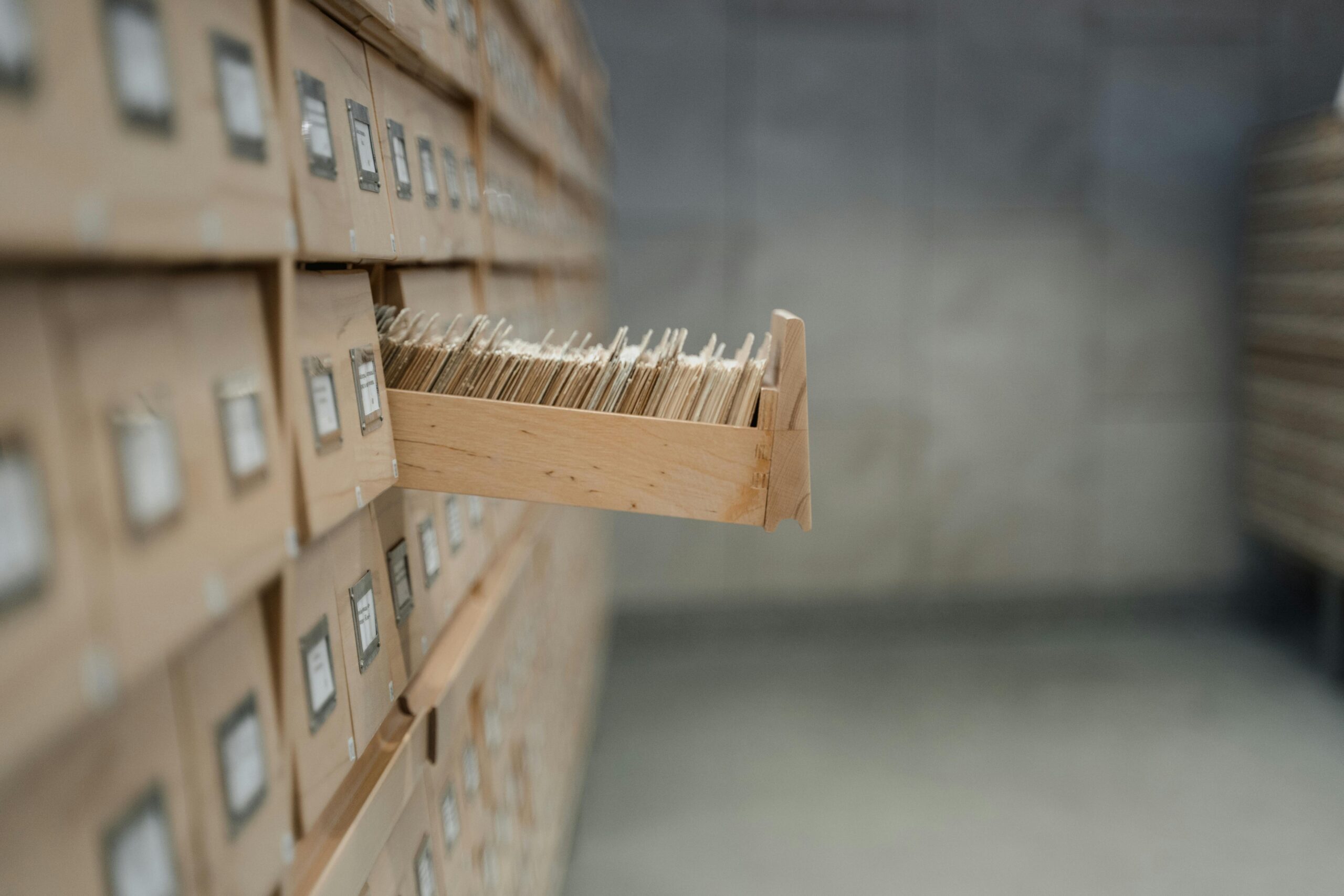
Manuscript provenance analysis serves as a detective story written in ink, parchment, and time, revealing the hidden journeys of ancient texts across centuries and continents.

📜 The Science Behind Manuscript Provenance Research
Understanding where ancient manuscripts came from and how they traveled through history requires a multidisciplinary approach combining traditional scholarship with cutting-edge technology. Provenance analysis examines ownership marks, binding styles, paper composition, ink chemistry, and marginalia to reconstruct the biographical journey of each document.
Modern researchers employ techniques ranging from paleography and codicology to advanced imaging technologies like multispectral analysis and X-ray fluorescence. These methods reveal hidden texts, identify forgeries, and establish connections between manuscripts separated by geography and time. The process transforms static historical objects into dynamic storytellers that illuminate cultural exchange, intellectual transmission, and the preservation of human knowledge.
Provenance research extends beyond academic curiosity. It addresses ethical concerns about looted artifacts, helps repatriate cultural heritage, and provides context that enriches our understanding of historical periods. Each ownership inscription, library stamp, or repair tells part of a larger narrative about how societies valued, transmitted, and sometimes suppressed knowledge.
🔍 Decoding Ownership Marks and Institutional Histories
Ancient manuscripts bear the fingerprints of their journeys through bookplates, stamps, signatures, and marginal notes left by successive owners. These marks function as breadcrumbs leading researchers backward through time, connecting private collectors, monastic libraries, royal courts, and academic institutions.
Medieval manuscripts often contain ex libris inscriptions indicating monastic ownership, while later additions might reveal Renaissance humanist collectors or Enlightenment scholars who rescued texts from obscurity. Ottoman court libraries stamped documents with distinctive seals, and European colonial administrators frequently added their marks when acquiring manuscripts from conquered territories.
Digital databases now catalog these ownership marks systematically, allowing researchers to trace patterns of manuscript circulation across Europe, the Middle East, and beyond. Projects like the Schoenberg Database of Manuscripts compile provenance information from auction catalogs, library records, and scholarly publications, creating networks that map the movement of intellectual property through history.
Reading Between the Lines: What Marginalia Reveals
Marginal notes provide intimate glimpses into how historical readers engaged with texts. Scholars find corrections, commentaries, references to other works, and personal reflections that illuminate intellectual debates spanning centuries. A 13th-century reader might dispute a classical philosopher’s argument, while a 16th-century annotator adds references to recently printed books.
These annotations sometimes identify otherwise anonymous scribes or reveal connections between scholarly networks. A distinctive handwriting style might appear in manuscripts across multiple libraries, suggesting a single reader’s extensive travels or the circulation of texts within a particular intellectual community.
🧪 Scientific Methods Transforming Provenance Research
Technology has revolutionized manuscript studies, providing non-invasive methods to examine physical composition and reveal hidden information. Multispectral imaging captures documents across various light wavelengths, making faded texts readable and exposing erasures or alterations invisible to the naked eye.
X-ray fluorescence spectroscopy analyzes ink composition without damaging manuscripts, identifying chemical signatures that indicate geographic origin or historical period. Different regions used distinctive ink recipes, allowing researchers to verify claimed provenances or expose forgeries. Carbon dating provides chronological anchors, while DNA analysis of parchment reveals animal species and geographic origins.
Computational analysis examines scribal handwriting patterns, identifying individual scribes across multiple manuscripts and mapping scriptoria networks. Machine learning algorithms compare thousands of letter formations, detecting subtle similarities humans might miss and establishing connections between texts copied in different locations.
Digital Reconstruction and Virtual Collections
Digital humanities projects reconstruct dispersed manuscript collections, virtually reuniting texts separated by centuries of movement. Manuscripts dismembered for sale as individual folios can be digitally reassembled, restoring their original context and meaning. High-resolution imaging allows worldwide access to fragile documents, democratizing scholarship previously limited to researchers who could physically visit archives.
These digital initiatives preserve endangered manuscripts threatened by conflict, climate change, or deterioration. The digitization of Timbuktu’s manuscript collections before jihadist attacks, for instance, ensured survival of irreplaceable documents even when physical copies faced destruction.
🗺️ Mapping Manuscript Migration Patterns
Provenance research reveals broader patterns of cultural exchange and intellectual transmission. Manuscripts traveled along trade routes, accompanying merchants, pilgrims, and diplomats. Arabic scientific texts reached medieval Europe through Iberian translation centers, while Greek manuscripts fled Constantinople after 1453, sparking the Italian Renaissance.
Monastic networks facilitated manuscript circulation within religious orders. Benedictine libraries exchanged copies, creating redundancy that preserved texts through political upheavals. Imperial conquests relocated entire libraries, as when Napoleon’s armies systematically looted European collections or when Ottoman sultans acquired Byzantine manuscripts.
Colonial expeditions extracted manuscripts from Asia, Africa, and the Americas, creating concentrations in European and American institutions far from their origins. Contemporary provenance research addresses these imperial legacies, supporting repatriation claims and facilitating cultural heritage return.
Case Study: The Archimedes Palimpsest Journey
The Archimedes Palimpsest exemplifies manuscript provenance complexity. A 10th-century Byzantine copy of Archimedes’ works was erased in the 13th century, the parchment reused for a prayer book. It survived in a Jerusalem monastery until the early 20th century, disappeared during the Greco-Turkish War, resurfaced in Paris in the 1930s, then vanished again until a 1998 auction.
Multispectral imaging revealed the underlying Archimedes texts, including previously unknown works revolutionizing understanding of ancient mathematics. The manuscript’s journey from Constantinople through Jerusalem to anonymous private collections illustrates how texts survive through unexpected paths, sometimes in disguised or degraded forms.
🏛️ Ethical Dimensions of Provenance Research
Provenance analysis increasingly addresses ethical questions about manuscript ownership and cultural heritage. Many collections contain items acquired through colonial violence, wartime looting, or illicit antiquities markets. Establishing clear ownership histories becomes crucial for repatriation claims and ethical collection management.
International conventions like the 1970 UNESCO agreement establish frameworks for protecting cultural property, but enforcement remains challenging. Provenance researchers work with law enforcement to identify stolen manuscripts, trace illicit trade networks, and support legitimate ownership claims.
The Dead Sea Scrolls fragments market illustrates these challenges. Recent scholarship exposed numerous forgeries flooding museums and private collections, created by exploiting demand for biblical manuscripts. Rigorous provenance research protects institutions from acquiring fakes while exposing criminal networks manufacturing fraudulent antiquities.
Repatriation and Cultural Heritage Return
Provenance documentation supports communities seeking return of culturally significant manuscripts. Ethiopian churches reclaim Gospel books taken during colonial periods, while Iraqi institutions recover manuscripts looted during recent conflicts. These returns restore not just physical objects but connections to historical and spiritual traditions.
Successful repatriation requires collaborative research establishing ownership chains and negotiating agreements between holding institutions and origin communities. Digital surrogates sometimes provide compromise solutions, allowing scholarly access while respecting cultural ownership claims.
📚 Major Manuscript Collections and Their Hidden Stories
Great libraries house manuscripts with extraordinarily complex provenances reflecting centuries of collection building. The Vatican Library contains texts from ancient Rome through continuous institutional ownership, while the British Library assembled dispersed collections from dissolved monasteries, purchased private libraries, and colonial acquisitions.
Monastic libraries like Saint Catherine’s Monastery in Sinai preserve manuscripts in situ for over a millennium, providing rare examples of continuous custodianship. These collections reveal how isolated communities maintained intellectual traditions through political and religious upheavals surrounding them.
Private collectors historically drove manuscript preservation, though their motivations ranged from scholarly passion to status symbols. Renaissance humanists like Poggio Bracciolini rescued classical texts from monastic obscurity, while 19th-century industrialists assembled vast collections now forming public library cores.
🌍 Cross-Cultural Manuscript Traditions
Different cultures developed distinctive manuscript traditions influencing provenance patterns. Islamic manuscript culture emphasized copying and commentary, creating vast networks of text transmission across the Muslim world. Chinese and Japanese manuscripts circulated through temple libraries and scholarly networks, with distinctive seals marking ownership transitions.
Mesoamerican codices survived Spanish conquest in limited numbers, their provenances often involving extraction to European collections as curiosities rather than valued texts. African manuscript traditions in Timbuktu, Ethiopia, and elsewhere challenge Eurocentric narratives about literacy and learning, revealing sophisticated intellectual cultures.
Understanding these diverse traditions requires culturally informed provenance research respecting different documentation practices and ownership concepts. Western archival standards may not capture how other cultures tracked manuscript histories or conceptualized textual ownership.
🔮 Future Directions in Provenance Studies
Emerging technologies promise new provenance research capabilities. Artificial intelligence analyzes vast datasets identifying patterns invisible to human researchers, while blockchain technology creates tamper-proof ownership records for newly documented manuscripts. Environmental DNA analysis might eventually trace manuscripts to specific scriptoria based on microbial signatures.
Collaborative international databases continue expanding, creating comprehensive provenance networks. Standardized vocabularies and linked data protocols allow integration across institutional boundaries, revealing connections previously hidden in isolated catalogs.
Climate change and political instability create urgency for documentation efforts. Researchers race to catalog endangered collections in conflict zones and environmentally threatened regions, ensuring provenance information survives even if physical manuscripts do not.
Training the Next Generation of Manuscript Detectives
Provenance research requires specialized training combining traditional paleography with digital humanities skills. Graduate programs increasingly emphasize technological competencies alongside classical manuscript studies, preparing researchers to leverage advanced analytical tools while maintaining deep historical knowledge.
Public engagement initiatives make provenance research accessible beyond academic specialists. Digital exhibitions, online databases, and citizen science projects invite broader participation in decoding manuscript histories, democratizing scholarship while generating valuable data.
✨ Why Manuscript Provenance Matters Today
Understanding manuscript journeys connects contemporary society with deep historical roots. These texts carried knowledge across civilizations, preserved during periods when physical survival seemed impossible. Their provenance stories illustrate human resilience, intellectual curiosity, and the determination to transmit wisdom across generations.
Provenance research also provides cautionary tales about cultural destruction and heritage loss. Manuscripts destroyed during conflicts, religious persecutions, or colonial violence represent irreplaceable knowledge forever lost. Contemporary documentation efforts aim to prevent future losses through comprehensive digital preservation.
The field demonstrates how physical objects embody intangible cultural heritage. A manuscript’s importance extends beyond its textual content to include its material history, the communities that created and preserved it, and the networks through which it traveled. Provenance analysis honors these multifaceted significances.
🔗 Connecting Past and Present Through Ancient Texts
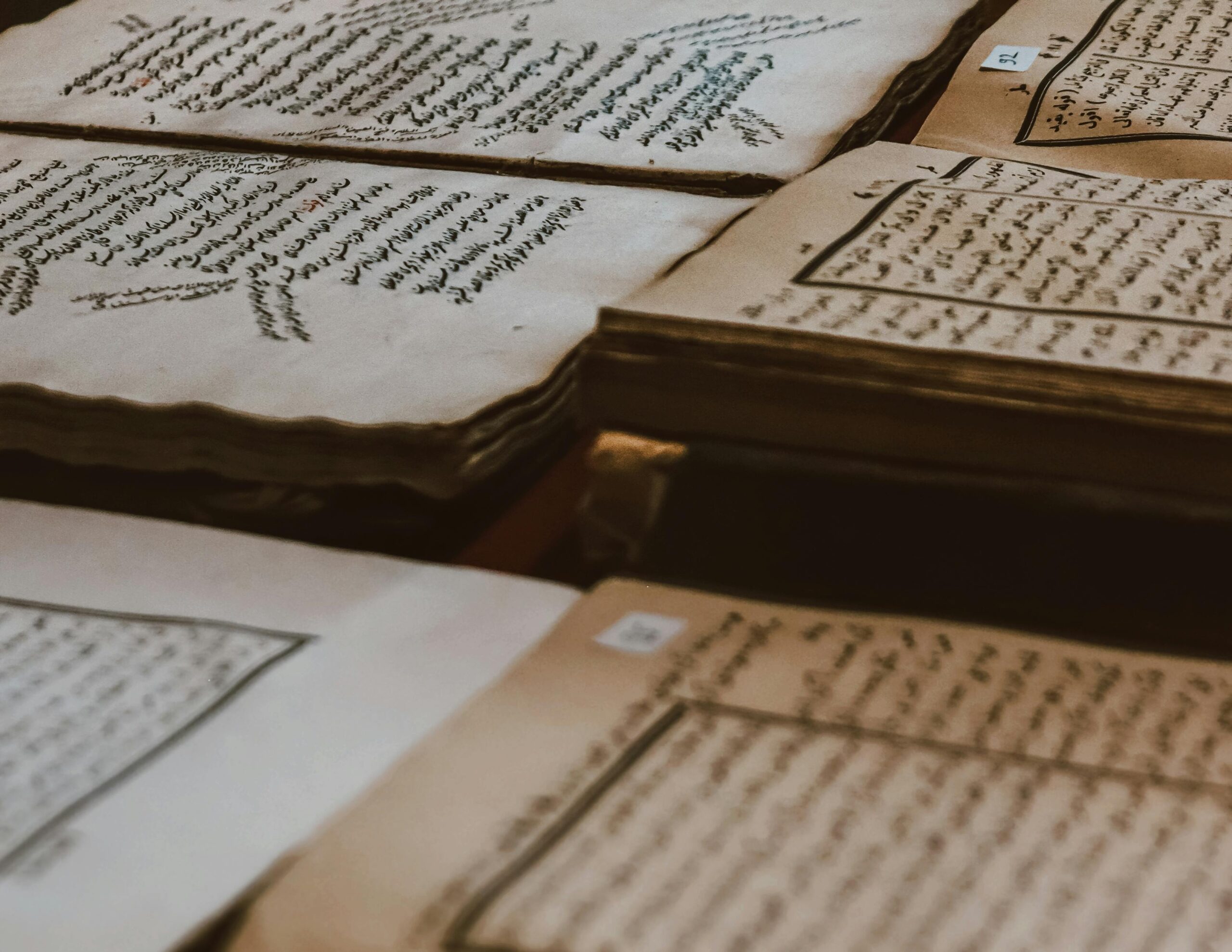
Each manuscript provenance investigation reveals unique stories about human creativity, destruction, survival, and transmission. From Archimedes’ mathematical insights surviving under medieval prayers to Buddhist sutras traveling the Silk Road, these texts map intellectual history’s geography and chronology.
Modern researchers continue uncovering surprises in well-studied collections. Advanced imaging reveals hidden texts, archival discoveries establish new provenance links, and fresh analytical approaches reinterpret familiar evidence. The field remains dynamic, constantly revising understanding as new evidence emerges.
Manuscript provenance analysis ultimately celebrates human knowledge’s persistence across time and adversity. Despite wars, natural disasters, intentional destruction, and simple neglect, these texts survived to inform contemporary scholarship. Understanding their journeys enriches appreciation for both their content and their remarkable survival stories, reminding us that knowledge preservation requires constant vigilance and care across generations.