Gender equality is not just a fundamental human right—it is a powerful catalyst that transforms societies, fuels economic growth, and creates opportunities for everyone to thrive.

🌍 The Revolutionary Impact of Gender Equality on Modern Society
Throughout history, barriers based on gender have limited human potential and constrained progress across every sector of society. When we examine the transformative power of gender equality, we discover that breaking these barriers does far more than simply provide fairness to half the population. It unleashes innovation, strengthens economies, improves health outcomes, and creates more resilient communities that benefit everyone regardless of gender identity.
The journey toward gender equality represents one of humanity’s most significant social transformations. From voting rights to workplace participation, from educational access to reproductive autonomy, each victory in this ongoing struggle has reshaped our collective future. Yet despite considerable progress, substantial barriers remain that prevent millions from reaching their full potential.
Understanding how gender equality transforms lives requires examining both the individual and societal dimensions. When a young girl gains access to education, she doesn’t just change her own trajectory—she influences her future family, her community, and her nation’s development. When workplaces embrace equal pay and opportunities, they don’t merely correct an injustice—they tap into previously underutilized talent pools that drive innovation and profitability.
💼 Economic Empowerment: Unlocking Prosperity Through Equality
The economic case for gender equality is overwhelming. Research consistently demonstrates that countries with greater gender equality experience stronger economic growth, higher productivity, and more sustainable development. When women participate fully in the economy, everyone benefits from increased consumer spending, expanded tax bases, and diversified business perspectives.
According to global economic analyses, closing gender gaps in workforce participation could add trillions of dollars to the global economy. This isn’t theoretical—it’s measurable economic potential currently locked away by discrimination, cultural barriers, and systemic inequalities. Organizations that prioritize gender diversity in leadership positions consistently outperform their less diverse competitors in profitability and innovation metrics.
The entrepreneurial landscape illustrates this potential vividly. Women entrepreneurs face disproportionate challenges accessing capital, with female-led startups receiving a tiny fraction of venture capital funding compared to male-led ventures. Yet studies show that women-owned businesses often demonstrate equal or superior returns on investment. Removing financial barriers would unleash tremendous economic activity and job creation.
The Workplace Transformation
Modern workplaces are gradually recognizing that gender equality isn’t simply about fairness—it’s about effectiveness. Companies implementing comprehensive gender equality policies report improved employee retention, enhanced brand reputation, and better decision-making processes. Diverse teams approach problems from multiple perspectives, leading to more creative solutions and reduced groupthink.
Key workplace transformations include:
- Flexible working arrangements that accommodate diverse life circumstances
- Transparent pay structures that eliminate gender-based wage gaps
- Parental leave policies that support all parents regardless of gender
- Mentorship programs that actively develop women leaders
- Zero-tolerance policies for harassment and discrimination
- Recruitment practices designed to eliminate unconscious bias
These changes don’t just benefit women—they create healthier work environments where all employees can contribute their best work without facing arbitrary limitations based on gender stereotypes or expectations.
📚 Education: The Foundation of Equal Opportunity
Educational access represents perhaps the most powerful tool for achieving gender equality. When girls receive quality education equal to their male peers, the ripple effects transform entire communities across generations. Educated women have fewer children, earn higher incomes, participate more actively in civic life, and invest more heavily in their children’s education—creating positive cycles that compound over time.
Despite significant progress in primary education enrollment worldwide, substantial gaps remain at secondary and tertiary levels in many regions. Cultural expectations, economic pressures, safety concerns, and inadequate facilities continue to prevent millions of girls from completing their education. Even in countries with formal educational equality, subtle biases in curriculum, teaching methods, and career counseling can steer students toward gender-stereotyped paths.
STEM education exemplifies these persistent challenges. Women remain significantly underrepresented in science, technology, engineering, and mathematics fields—not due to ability differences, but because of systemic barriers including stereotyping, lack of role models, and unwelcoming educational and professional environments. Addressing these barriers would dramatically expand the talent pool for fields that increasingly drive economic growth and innovation.
Breaking Educational Barriers
Successful interventions to promote educational equality combine practical support with cultural change. Scholarship programs, safe transportation, separate sanitary facilities, and community engagement all play crucial roles in keeping girls in school. Equally important are curriculum reforms that challenge stereotypes, teacher training that addresses unconscious bias, and active recruitment of women into traditionally male-dominated fields.
Technology offers unprecedented opportunities to democratize education and reach learners previously excluded by geography or circumstance. Online learning platforms, educational apps, and digital resources can bypass traditional barriers—though we must remain vigilant that digital divides don’t create new forms of inequality.
🏥 Health and Wellbeing: Gender-Responsive Healthcare
Gender equality in healthcare extends far beyond reproductive health, though that remains critically important. It encompasses access to services, quality of care, research priorities, and health outcomes across the lifespan. Historically, medical research has disproportionately focused on male subjects, leading to gaps in understanding how diseases affect women differently and what treatments work best for female patients.
Women face unique health challenges including maternal mortality, which remains unconscionably high in many regions despite being largely preventable with quality healthcare. Access to reproductive health services, including family planning, enables women to control their fertility, continue their education, and participate in economic life—fundamental aspects of autonomy and equality.
Mental health represents another critical dimension where gender intersects with wellbeing. Depression and anxiety affect women at higher rates, partly due to biological factors but also reflecting the psychological toll of discrimination, violence, and unequal burdens of unpaid care work. Men, meanwhile, face pressures related to masculine stereotypes that discourage emotional expression and help-seeking, contributing to higher suicide rates.
⚖️ Legal Frameworks: Building Structural Equality
Laws and policies create the framework within which gender equality can flourish or founder. Countries with comprehensive legal protections against discrimination, robust enforcement mechanisms, and progressive family laws consistently demonstrate better outcomes across gender equality metrics. Yet legal equality on paper doesn’t automatically translate to equality in practice—implementation and cultural change must accompany legislative reforms.
Critical legal domains for gender equality include:
- Constitutional guarantees of equal rights regardless of gender
- Employment laws prohibiting discrimination and mandating equal pay
- Family laws ensuring equal rights in marriage, divorce, and inheritance
- Criminal laws addressing gender-based violence comprehensively
- Property rights enabling women to own and control assets
- Nationality laws allowing women to pass citizenship to children
Many countries have made tremendous legal progress in recent decades, yet significant gaps remain. Some nations still maintain laws that explicitly discriminate based on gender, while others lack adequate protections or enforcement. Even in countries with strong legal frameworks, informal practices and cultural norms can undermine formal equality.
👨👩👧👦 Reimagining Family and Care Responsibilities
One of the most persistent barriers to gender equality involves the unequal distribution of unpaid care work—childcare, eldercare, housework, and community work that sustains societies but remains largely invisible in economic calculations. Women globally perform a disproportionate share of this essential work, limiting their time for paid employment, education, leisure, and civic participation.
Addressing this imbalance requires both practical policies and cultural transformation. Parental leave policies that encourage all parents to take time for caregiving help normalize shared responsibility. Affordable, quality childcare and eldercare services reduce the burden on individual families. Workplace flexibility enables workers to balance multiple responsibilities without sacrificing career progression.
Perhaps most fundamentally, we must recognize and value care work as essential to economic and social functioning rather than dismissing it as less important than paid labor. This recognition should inform policy decisions, economic measurements, and cultural attitudes about who should perform this work and how it should be supported.
Engaging Men and Boys in Gender Equality
Gender equality isn’t a women’s issue—it’s a human issue that requires engagement from people of all genders. Men and boys have crucial roles to play as allies, advocates, and beneficiaries of more equitable societies. Rigid masculine stereotypes harm men by limiting emotional expression, discouraging help-seeking, and pressuring conformity to narrow definitions of masculinity.
Progressive approaches to gender equality emphasize that liberation from restrictive gender roles benefits everyone. Men can be nurturing caregivers. Women can be ambitious leaders. People can embody diverse combinations of traits and interests without conforming to binary stereotypes. Creating space for this diversity enriches human experience and allows everyone to contribute their unique strengths.
🌐 Global Perspectives: Culture, Context, and Intersectionality
Gender equality manifests differently across cultural contexts, and effective approaches must respect this diversity while upholding universal human rights. What works in one setting may not transfer directly to another—successful interventions require deep understanding of local contexts, engagement with community stakeholders, and sensitivity to how gender intersects with other identity dimensions.
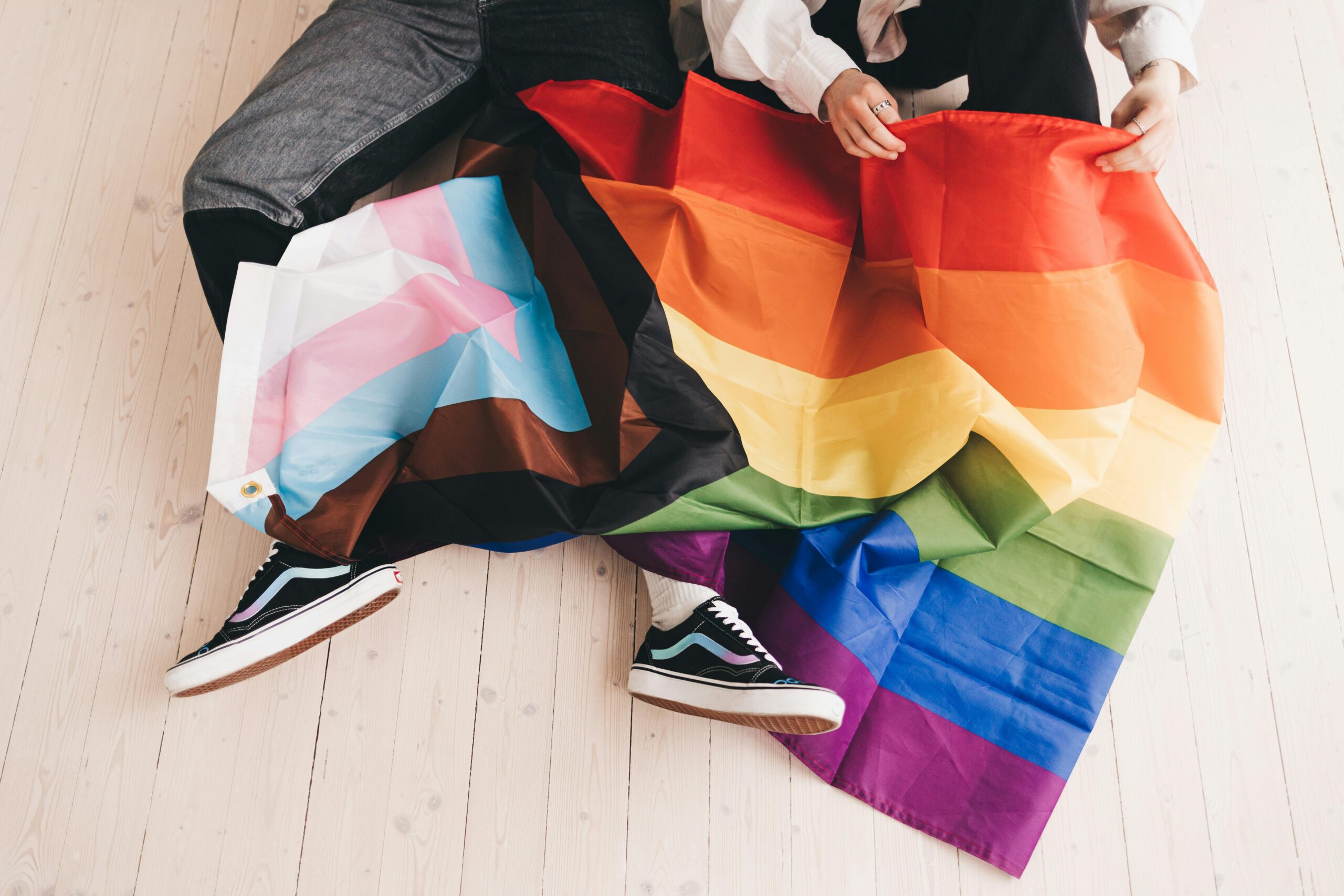
Intersectionality recognizes that gender doesn’t operate in isolation. Women experience inequality differently based on race, ethnicity, class, disability, sexual orientation, and other factors. A wealthy, educated, able-bodied white woman in a developed country faces different barriers than a poor, rural woman of color with disabilities in a conflict zone. Effective gender equality work must address these intersecting dimensions of disadvantage.
Indigenous women, refugee women, women with disabilities, LGBTQ+ individuals, and other marginalized groups often face compounded discrimination. Their voices and experiences must inform gender equality efforts rather than being relegated to footnotes in discussions dominated by more privileged perspectives.
💡 Innovation and Technology: Digital Equity for the Future
Technology presents both opportunities and challenges for gender equality. Digital tools can democratize access to information, education, financial services, and markets—potentially leapfrogging traditional barriers. Women entrepreneurs use mobile technology to access customers and capital. Girls in remote areas access educational content online. Telemedicine reaches patients previously excluded from quality healthcare.
However, significant gender gaps persist in technology access and usage, particularly in developing regions. Women are less likely to own mobile phones, have internet access, or possess digital literacy skills. When technology development lacks gender diversity, products and services often fail to meet women’s needs or even perpetuate harmful biases through algorithmic discrimination.
Artificial intelligence and machine learning systems trained on biased historical data can amplify existing inequalities. Facial recognition systems that work poorly for women of color, hiring algorithms that discriminate against female applicants, and health apps designed without considering female physiology all demonstrate how technology without intentional equity design can deepen rather than bridge gender gaps.
🎯 The Path Forward: Strategies for Sustainable Change
Achieving genuine gender equality requires sustained effort across multiple fronts. No single intervention suffices—comprehensive approaches combining legal reform, economic opportunity, educational access, healthcare improvement, and cultural transformation create mutually reinforcing progress. Success requires commitment from governments, businesses, civil society organizations, and individuals.
Effective strategies share common elements:
- Data-driven approaches that measure progress and identify gaps
- Participatory methods that center affected communities’ voices
- Accountability mechanisms that translate commitments into action
- Resource allocation that matches rhetoric with investment
- Intersectional frameworks that address compounding disadvantages
- Long-term commitment recognizing that cultural change takes time
Individual actions matter too. Challenging gender stereotypes in daily interactions, supporting women-owned businesses, advocating for equitable policies, sharing household responsibilities fairly, and raising children with expansive rather than limiting gender expectations all contribute to broader change. Small actions aggregate into cultural transformation when enough people commit to equity.
🚀 The Multiplier Effect: Why Everyone Benefits from Gender Equality
The most compelling argument for gender equality may be the simplest: societies that embrace equality consistently outperform those that don’t across virtually every metric of human development and wellbeing. Gender equality correlates with lower poverty rates, better educational outcomes, improved health indicators, reduced violence, stronger democratic governance, and more sustainable environmental practices.
This isn’t coincidental. When half the population can fully participate in society, when diverse perspectives inform decision-making, when talent rather than gender determines opportunity, and when care for vulnerable members is shared responsibility rather than invisible burden—communities become more innovative, resilient, and prosperous. The benefits flow to everyone, not just to women and girls.
Children raised in gender-equitable environments demonstrate broader capabilities and aspirations. Men in equitable societies report higher life satisfaction and better relationships. Economies with gender equality grow faster and distribute prosperity more broadly. The multiplier effect of gender equality extends across generations, creating positive cycles that compound over time.
✨ Envisioning the Future: A World of Unlimited Potential
Imagine a world where every person can pursue their talents and interests without artificial limitations based on gender. Where care for children and elders is recognized as essential work deserving support and respect. Where leadership and power reflect human diversity. Where safety and dignity are universal expectations rather than privileges. Where potential rather than prejudice determines outcomes.
This vision isn’t utopian fantasy—it’s achievable through sustained commitment and collective action. Many communities already approximate this reality, demonstrating what becomes possible when barriers fall. Their examples light pathways for others to follow, showing that gender equality isn’t just morally right—it’s practically beneficial for building thriving, resilient societies.
The transformation won’t happen overnight. Centuries of inequality don’t disappear with single policy changes or awareness campaigns. But every barrier broken, every opportunity expanded, and every stereotype challenged moves us closer to a fairer future. The work continues, powered by countless individuals and organizations refusing to accept arbitrary limitations on human potential.
Gender equality transforms lives by unlocking potential previously constrained by discrimination and stereotypes. It powers progress by harnessing diverse talents and perspectives toward shared challenges. It shapes a fairer future by establishing systems and cultures where everyone can thrive. The destination justifies the journey, and the journey itself enriches everyone who participates in creating a more equitable world for all.