In an era marked by rapid change and unpredictability, building economic resilience has become essential for nations, businesses, and individuals seeking sustainable prosperity and long-term stability.

The global landscape has witnessed unprecedented disruptions in recent years—from pandemic-induced shutdowns to geopolitical tensions, climate-related disasters, and technological transformations that reshape entire industries overnight. These challenges have exposed vulnerabilities in our economic systems while simultaneously highlighting the critical importance of adaptability, preparedness, and strategic foresight. Economic resilience isn’t merely about surviving crises; it’s about positioning ourselves to thrive despite uncertainty, transforming potential threats into opportunities for innovation and growth.
As we navigate an increasingly complex world, understanding and cultivating economic resilience has shifted from being a competitive advantage to an absolute necessity. Organizations that embrace resilience-building strategies demonstrate remarkable capacity to weather storms, pivot when necessary, and emerge stronger from adversity. This comprehensive exploration examines the multifaceted dimensions of economic resilience and provides actionable insights for creating a future-ready economy capable of withstanding whatever challenges lie ahead.
🌍 Understanding Economic Resilience in Today’s Volatile World
Economic resilience refers to the capacity of economic systems—whether at individual, organizational, regional, or national levels—to absorb shocks, adapt to changing conditions, and recover quickly from disruptions. It encompasses the flexibility to respond to unexpected events while maintaining core functions and the agility to transform challenges into catalysts for improvement and innovation.
Traditional economic models focused primarily on efficiency and optimization, often at the expense of redundancy and flexibility. However, recent global events have demonstrated that systems optimized exclusively for efficiency can become dangerously brittle when faced with unexpected disruptions. The modern approach to economic resilience recognizes that some apparent inefficiencies—such as diversified supply chains, emergency reserves, and flexible workforce arrangements—actually represent strategic investments in long-term stability.
The concept extends beyond mere financial strength. True economic resilience incorporates social cohesion, technological infrastructure, institutional quality, environmental sustainability, and human capital development. These interconnected elements create a robust foundation that enables economies to withstand various forms of stress while maintaining their capacity for growth and innovation.
Key Pillars of Economic Resilience
Building comprehensive economic resilience requires attention to several fundamental pillars that work in concert to create stability and adaptability:
- Financial Stability: Adequate reserves, diverse revenue streams, and sound fiscal management create buffers against economic shocks
- Supply Chain Diversification: Reducing dependency on single sources or regions minimizes vulnerability to disruptions
- Technological Adaptability: Embracing digital transformation and innovation enables rapid pivoting when circumstances change
- Human Capital Investment: Skilled, adaptable workforces can navigate change more effectively than those with narrow specializations
- Social Infrastructure: Strong communities and safety nets prevent economic shocks from causing social breakdown
- Environmental Sustainability: Resource management that considers long-term viability protects against climate-related economic disruptions
💼 Business Strategies for Building Resilience
Organizations seeking to enhance their economic resilience must adopt proactive strategies that prepare them for both anticipated and unforeseen challenges. The businesses that thrived during recent disruptions shared common characteristics: they maintained flexibility in their operations, invested in technology, prioritized employee well-being, and cultivated diverse revenue streams.
Strategic planning for resilience begins with comprehensive risk assessment. Organizations need to identify potential vulnerabilities across their operations—from supply chain dependencies to workforce concentrations, technology infrastructure, and market exposures. This assessment shouldn’t focus solely on likelihood but also on potential impact, recognizing that low-probability, high-impact events can prove catastrophic without adequate preparation.
Scenario planning has emerged as an essential tool for resilience-building. By envisioning multiple possible futures—including challenging scenarios that test assumptions—businesses can develop contingency plans and build capabilities that serve them across various circumstances. This approach moves beyond simple risk mitigation to strategic preparedness that positions organizations to capitalize on opportunities that emerge during transitions.
Diversification as a Resilience Strategy
Diversification represents one of the most powerful tools for building economic resilience. This principle applies across multiple dimensions: product lines, customer bases, geographic markets, supplier relationships, and revenue models. Organizations that concentrated their operations in single markets, relied on individual suppliers, or depended on narrow product ranges faced disproportionate challenges during recent disruptions.
However, diversification must be strategic rather than scattered. Spreading resources too thin can undermine core competencies and create management complexity that erodes rather than enhances resilience. The most effective approach identifies diversification opportunities that leverage existing strengths while reducing concentration risks, creating complementary rather than competing demands on organizational resources.
🔄 Digital Transformation and Technological Resilience
Technology has become inseparable from economic resilience in the 21st century. The rapid shift to remote work, digital commerce, and virtual collaboration during the pandemic demonstrated both the power of technology to enable continuity and the vulnerability faced by organizations lacking digital capabilities. Building technological resilience requires ongoing investment in infrastructure, skills, and innovation.
Cloud computing, artificial intelligence, data analytics, and automation represent foundational technologies for resilient organizations. These tools provide flexibility to scale operations up or down rapidly, gain insights from complex data patterns, and maintain productivity despite physical disruptions. Organizations that had already invested in these capabilities adapted far more quickly to pandemic restrictions than those relying on legacy systems and traditional workflows.
Cybersecurity constitutes a critical dimension of technological resilience. As operations become increasingly digital, vulnerability to cyber threats grows correspondingly. A single security breach can cripple operations, compromise customer data, and destroy hard-earned trust. Resilient organizations treat cybersecurity not as an IT issue but as a fundamental business priority requiring ongoing investment and attention from leadership.
Financial Technology and Economic Inclusion
Financial technology innovations have democratized access to economic tools and services, enhancing resilience at individual and community levels. Digital payment systems, mobile banking, and online lending platforms enable economic participation for populations previously excluded from traditional financial systems. This expanded access creates more distributed and therefore more resilient economic networks.
For individuals seeking to strengthen their personal economic resilience, various financial management applications provide tools for budgeting, saving, investing, and monitoring financial health. These digital solutions make sophisticated financial planning accessible to broader populations, enabling better preparation for economic uncertainties.
🌱 Sustainable Practices as Resilience Builders
Environmental sustainability and economic resilience are deeply interconnected. Climate change, resource depletion, and environmental degradation pose increasing threats to economic stability, while sustainable practices build long-term resilience by ensuring continued access to essential resources and reducing exposure to climate-related disruptions.
Organizations embracing circular economy principles—designing for longevity, reuse, and recycling rather than disposal—create more resilient supply chains less dependent on virgin resource extraction. These approaches reduce vulnerability to commodity price volatility while often generating cost savings and new revenue opportunities from recovered materials.
Renewable energy adoption similarly enhances resilience by reducing exposure to fossil fuel price fluctuations and supply disruptions while supporting the transition to lower-carbon operations that will face fewer regulatory and market pressures as climate policies tighten globally. The declining costs of renewable technologies have made sustainability increasingly aligned with economic self-interest.
👥 Human Capital and Workforce Resilience
Economic resilience ultimately depends on people—their skills, adaptability, creativity, and perseverance. Organizations that invest in employee development, well-being, and engagement build workforce resilience that translates directly into organizational resilience. When challenges arise, engaged employees committed to organizational success prove far more likely to contribute innovative solutions and sustained effort.
Continuous learning cultures prepare workforces for evolving demands. As technology and market conditions change, workers with narrow skill sets face displacement, while those committed to ongoing development maintain relevance and adaptability. Organizations supporting continuous learning—through training programs, educational benefits, and cultures that reward curiosity—build human capital capable of navigating change.
Flexible work arrangements have evolved from pandemic necessity to permanent feature of resilient organizations. Remote and hybrid work options expand talent pools beyond geographic constraints, reduce facility costs and vulnerabilities, and demonstrate trust that enhances employee engagement. These arrangements also provide individuals with greater control over work-life integration, reducing stress and burnout that undermine both individual and organizational resilience.
Building Inclusive Economic Systems
Economic resilience strengthens when prosperity is broadly shared rather than concentrated. Inclusive economic systems that provide opportunities across diverse populations prove more stable and sustainable than those characterized by extreme inequality. When large segments of society are economically vulnerable, small shocks can trigger cascading social and economic disruptions.
Policies and practices that expand access to education, healthcare, capital, and opportunity strengthen the economic foundation from which resilience grows. Microfinance initiatives, skills training programs, entrepreneurship support, and social safety nets create more distributed economic capacity that can weather challenges more effectively than fragile systems dependent on narrow segments of society.
📊 Measuring and Monitoring Resilience
Building economic resilience requires mechanisms for measuring progress and identifying vulnerabilities. Various frameworks and metrics have emerged to assess resilience across different dimensions:
| Resilience Dimension | Key Indicators | Measurement Approach |
|---|---|---|
| Financial Health | Reserve ratios, debt levels, revenue diversity | Quantitative financial analysis |
| Operational Flexibility | Supply chain diversity, capacity utilization, process adaptability | Operational audits and stress testing |
| Innovation Capacity | R&D investment, patent activity, time-to-market | Innovation metrics and benchmarking |
| Workforce Preparedness | Skills diversity, training investment, employee engagement | HR analytics and surveys |
| Technological Readiness | Digital adoption, cybersecurity posture, infrastructure quality | Technology assessments and penetration testing |
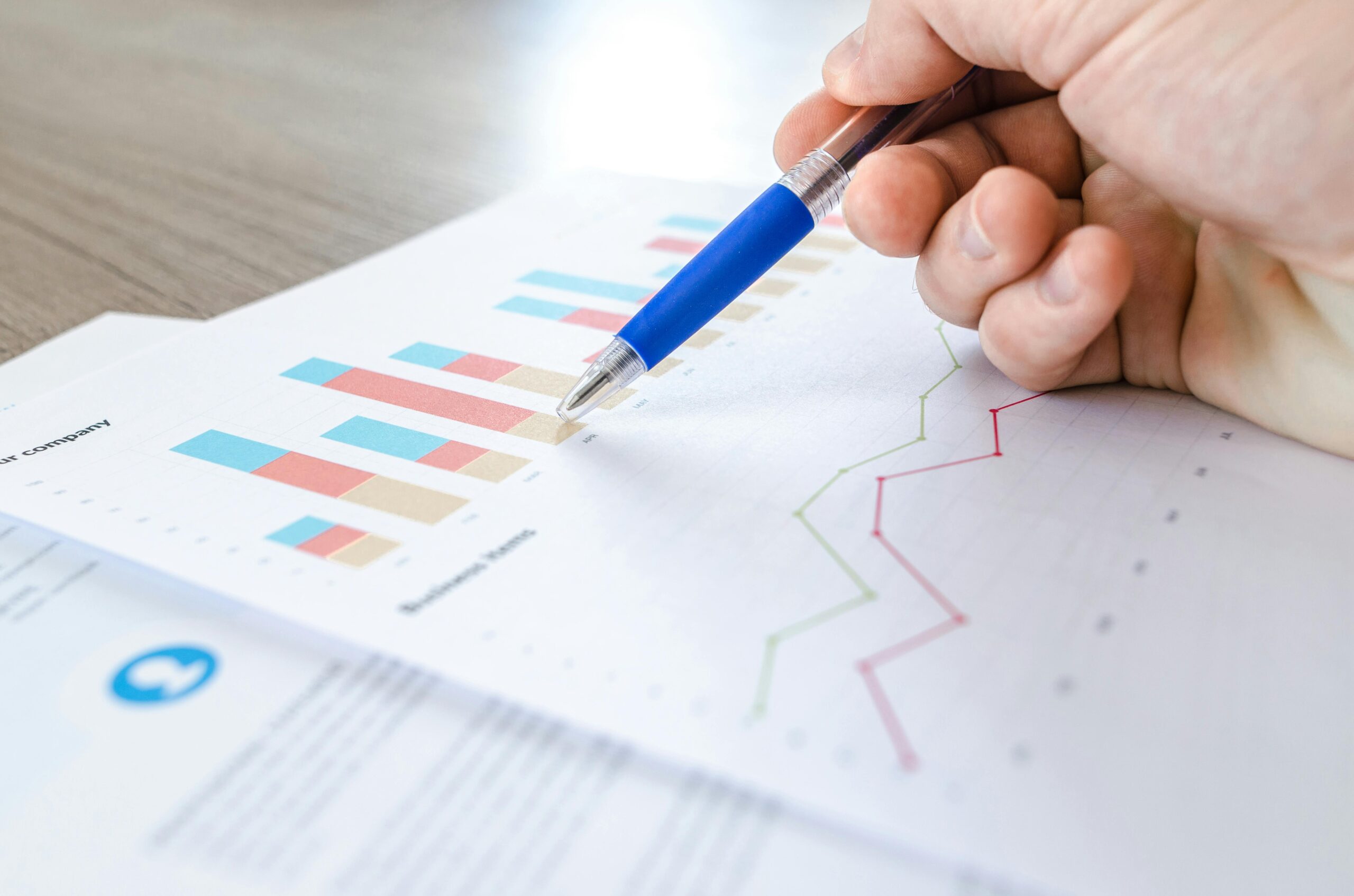
Regular assessment using these frameworks enables organizations to identify weaknesses before they become crises and track improvement over time. Leading organizations integrate resilience metrics into strategic planning and performance management systems, ensuring that short-term pressures don’t undermine long-term preparedness.
🚀 Policy Frameworks Supporting Economic Resilience
While individual organizations and people can enhance their own resilience, broader economic resilience requires supportive policy environments. Governments play essential roles in creating conditions that enable resilience-building across entire economies through regulatory frameworks, infrastructure investments, and social policies.
Strategic infrastructure investments in transportation, communications, energy, and water systems create foundations upon which economic activity depends. Resilient infrastructure incorporates redundancy, adapts to changing conditions, and recovers quickly from disruptions. Modernizing aging infrastructure while incorporating climate adaptation represents one of the most impactful resilience investments governments can make.
Education and training systems that emphasize adaptability, critical thinking, and lifelong learning prepare populations for evolving economic demands. Countries with strong educational foundations and cultures of continuous learning demonstrate greater capacity to navigate technological transitions and economic restructuring than those with rigid, outdated educational systems.
Social safety nets provide critical resilience at individual and system levels. Unemployment insurance, healthcare access, housing support, and other programs prevent temporary economic setbacks from becoming permanent crises while maintaining consumer spending that stabilizes demand during downturns. Well-designed safety nets enhance rather than undermine economic dynamism by enabling people to take productive risks and transition between opportunities.
🔮 Emerging Opportunities in Uncertainty
While uncertainty presents challenges, it also creates opportunities for those prepared to recognize and seize them. Economic transitions generate demand for new products, services, and business models. Organizations and individuals who develop capabilities aligned with emerging needs position themselves advantageously as economies evolve.
The transition to sustainable energy systems, for example, creates enormous opportunities in renewable energy, energy storage, grid modernization, and efficiency technologies. Similarly, demographic shifts toward aging populations in many countries generate growing demand for healthcare services, elder care, and products designed for older users. Identifying these transition-driven opportunities enables proactive positioning rather than reactive adjustment.
Innovation accelerates during periods of disruption as existing approaches prove inadequate and necessity drives creativity. Organizations that maintain innovation capacity during challenging periods—rather than cutting research and development in the name of short-term savings—emerge with competitive advantages as conditions stabilize and growth resumes.
🎯 Actionable Steps Toward Greater Resilience
Building economic resilience requires commitment and action across multiple dimensions. Whether at individual, organizational, or policy levels, specific steps can strengthen capacity to navigate uncertainty:
- Conduct comprehensive vulnerability assessments: Identify potential risks across financial, operational, technological, and human dimensions
- Develop diversified approaches: Avoid excessive concentration in suppliers, markets, revenue sources, or capabilities
- Invest in adaptable technology: Prioritize digital infrastructure and skills that enable flexibility and rapid adjustment
- Build financial buffers: Maintain reserves adequate to weather temporary disruptions without crisis responses
- Cultivate continuous learning: Create cultures and systems that support ongoing skill development and knowledge acquisition
- Strengthen relationships and networks: Build diverse connections that provide support, information, and opportunities during challenges
- Integrate sustainability: Adopt practices that ensure long-term resource availability and reduce climate vulnerabilities
- Test preparedness regularly: Conduct exercises and simulations that reveal gaps in resilience capabilities before real crises occur
🌟 Thriving Through Transformation
Economic resilience isn’t about returning to previous conditions after disruptions but about evolving through challenges toward improved states. The most resilient systems learn from difficulties, adapting their structures and practices to reduce future vulnerabilities while capitalizing on new opportunities that emerge from change.
This transformative approach to resilience requires mindset shifts from stability-focused thinking to adaptability-centered perspectives. Rather than seeking to prevent all change—an impossible goal in dynamic environments—resilient actors develop capacities to navigate change productively, recognizing that evolution brings both challenges and opportunities.
Organizations embracing this transformative resilience demonstrate remarkable capacity for continuous renewal. They view disruptions not as deviations from normal operations but as inevitable features of complex systems, preparing accordingly through flexible structures, diverse capabilities, and cultures that embrace rather than resist change.
💡 The Path Forward in an Uncertain World
As we look toward an increasingly complex and unpredictable future, economic resilience stands as perhaps the most valuable capability we can cultivate. The challenges ahead—from technological disruptions to climate impacts, demographic shifts, and geopolitical realignments—will test economic systems in unprecedented ways. Those who have invested in resilience will navigate these challenges far more successfully than those who prioritized short-term optimization over long-term adaptability.
Building resilience requires patience and sustained commitment. The investments necessary—in technology, skills, relationships, infrastructure, and reserves—often show returns only when crises occur, making them easy to defer during apparently stable periods. However, history demonstrates repeatedly that disruptions arrive with regularity, and the costs of unpreparedness far exceed the investments in resilience.
The future belongs to those who prepare for uncertainty rather than pretending it doesn’t exist. By embracing economic resilience as a strategic priority, we position ourselves not merely to survive whatever challenges emerge but to thrive through them, transforming potential crises into catalysts for growth, innovation, and sustainable prosperity. The time to build resilience is now, before the next inevitable disruption tests our preparedness and reveals the wisdom of our investments in adaptability, diversity, and strength.