Education remains the most powerful tool humanity possesses to break cycles of poverty, inequality, and limited opportunity across generations worldwide.

🌍 The Global Education Landscape: Where We Stand Today
Access to quality education has transformed dramatically over the past century, yet significant disparities persist across geographical, economic, and social boundaries. According to UNESCO data, approximately 244 million children and youth between ages 6 and 18 remain out of school globally. This staggering figure represents not just missed educational opportunities, but countless unrealized dreams, innovations, and contributions to society.
The distribution of educational access reveals troubling patterns. Sub-Saharan Africa faces the highest rates of educational exclusion, with over one-fifth of children between 6 and 11 out of school, followed by one-third of youth between 12 and 14. Southern Asia represents the second-highest region for out-of-school children, though significant progress has been made in recent decades.
Quality education extends far beyond simply having a physical classroom to attend. It encompasses trained teachers, appropriate learning materials, safe environments, nutritional support, and curricula that prepare students for real-world challenges. Many children technically enrolled in schools receive education so inadequate that they emerge functionally illiterate and unprepared for economic participation.
Breaking Down Barriers to Educational Access
Multiple interconnected barriers prevent children and adults from accessing transformative educational experiences. Economic constraints remain paramount—families struggling with poverty often cannot afford school fees, uniforms, transportation, or the opportunity cost of children not contributing to household income. Gender discrimination continues limiting girls’ educational opportunities in many regions, with cultural expectations prioritizing boys’ education or early marriage for daughters.
Geographic isolation poses substantial challenges, particularly in rural and remote areas where schools may be hours away by foot, with dangerous terrain or weather conditions making attendance impossible. Armed conflict and humanitarian emergencies disrupt education for millions, destroying infrastructure and displacing populations. Disability represents another significant barrier, with inadequate accommodations and persistent stigma excluding countless learners from mainstream educational systems.
💡 The Transformative Power of Education: Evidence-Based Benefits
Research consistently demonstrates that expanded access to quality education generates profound benefits extending across individuals, communities, and entire nations. The returns on educational investment prove remarkable across multiple dimensions of human development and social progress.
Economic benefits manifest clearly through increased earning potential. Each additional year of schooling correlates with approximately 10% higher earnings on average. Secondary education completion particularly transforms economic prospects, enabling access to formal sector employment and entrepreneurial opportunities. Nations with higher educational attainment consistently demonstrate stronger economic growth, innovation capacity, and competitive advantages in global markets.
Health and Wellbeing Outcomes
Education dramatically improves health outcomes across populations. Educated mothers demonstrate significantly lower child mortality rates, with better understanding of nutrition, hygiene, vaccination, and when to seek medical care. Educational attainment correlates strongly with longer life expectancy, reduced rates of infectious disease, and better management of chronic conditions.
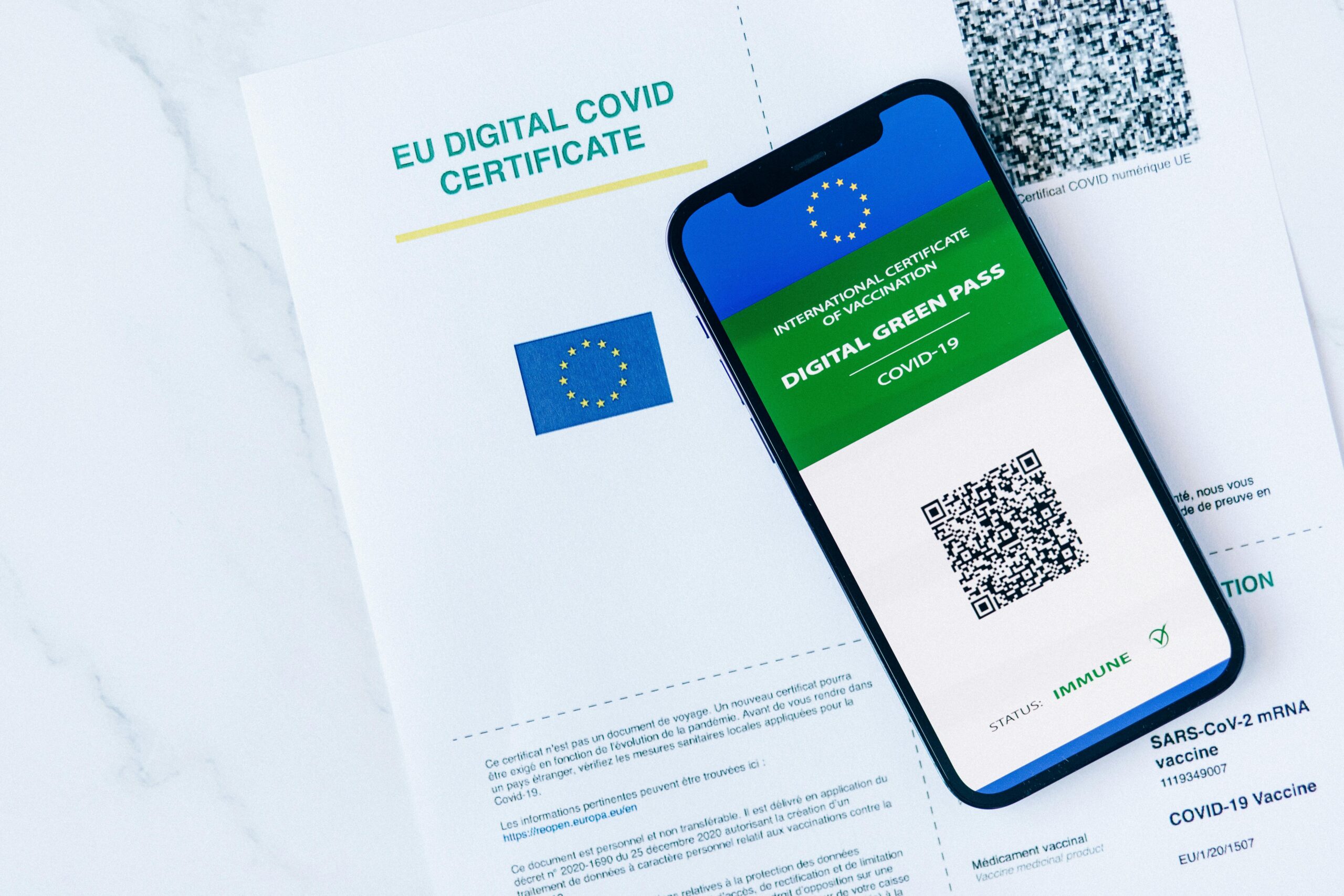
Educated populations make more informed health decisions, understand preventive care importance, and navigate healthcare systems more effectively. The COVID-19 pandemic highlighted these disparities, with educational levels correlating strongly with health literacy, adherence to public health measures, and vaccination rates.
Social Cohesion and Democratic Participation
Quality education strengthens democratic institutions and social cohesion. Educated citizens participate more actively in civic life, demonstrate higher voting rates, engage more constructively in public discourse, and hold leaders accountable through informed criticism. Education cultivates critical thinking skills essential for evaluating information sources, resisting manipulation, and making reasoned judgments about complex social issues.
Education also promotes tolerance and reduces prejudice by exposing learners to diverse perspectives, fostering empathy, and developing sophisticated understanding of social complexity. Communities with higher educational attainment typically demonstrate lower crime rates, reduced social tensions, and stronger interpersonal trust.
🚀 Innovative Approaches Expanding Educational Access
Transforming educational access requires creative solutions addressing diverse barriers and contexts. Technological innovations, policy reforms, community-based programs, and alternative delivery models show promising results in reaching previously underserved populations.
Digital Learning Platforms and Technology Integration
Technology has revolutionized educational delivery possibilities, particularly for remote or underserved populations. Mobile learning applications bring educational content to communities lacking traditional infrastructure. Online platforms offer courses ranging from basic literacy to advanced professional training, democratizing access to knowledge previously confined to elite institutions.
The Khan Academy exemplifies this transformation, providing free, high-quality educational resources reaching millions globally. Similar platforms offer instruction in multiple languages, adaptive learning tailored to individual pace and level, and subjects spanning core academics to vocational skills.
Radio and television-based education reaches populations without internet connectivity, with several successful national programs delivering curriculum-aligned content to remote areas. Solar-powered devices and offline content storage solutions address electricity and connectivity challenges in resource-constrained settings.
Community-Based and Alternative Education Models
Flexible, community-centered approaches address barriers traditional schooling cannot overcome. Bridge schools and accelerated learning programs serve over-age children who missed critical educational years, condensing curricula to help them catch up. Mobile schools bring education directly to nomadic populations, migrant workers, and displaced communities.
Community learning centers provide educational opportunities for adults, focusing on literacy, numeracy, livelihood skills, and civic education. These programs recognize that transformative education must extend beyond children to empower entire communities.
Multi-grade teaching methodologies enable single teachers to effectively instruct students across multiple grade levels, making education viable in sparsely populated areas where grade-specific classes would be impractical. Peer learning and student-centered approaches maximize limited teacher resources while developing collaborative skills.
📊 Key Strategies for Sustainable Educational Transformation
Achieving universal access to quality education requires comprehensive strategies addressing systemic challenges at policy, implementation, and community levels. Evidence from successful educational transformations identifies several critical elements.
| Strategy | Key Components | Impact Indicators |
|---|---|---|
| Policy Reform | Free compulsory education, anti-discrimination laws, curriculum modernization | Enrollment rates, completion rates, equity metrics |
| Teacher Development | Improved training, competitive compensation, continuous professional development | Teacher quality scores, retention rates, student learning outcomes |
| Infrastructure Investment | School construction, sanitation facilities, learning materials, technology integration | Facility adequacy, resource availability, safety indicators |
| Community Engagement | Parent participation, local governance, cultural relevance, accountability mechanisms | Community satisfaction, parental involvement rates, local ownership |
| Financial Support | Scholarships, conditional cash transfers, meal programs, elimination of fees | Enrollment of disadvantaged groups, attendance rates, dropout reduction |
Prioritizing Educational Equity and Inclusion
Universal access means nothing without intentional focus on reaching the most marginalized. Effective strategies identify specific populations facing exclusion—girls in conservative communities, children with disabilities, ethnic minorities, refugees, children in extreme poverty—and design targeted interventions addressing their unique barriers.
Gender-responsive approaches address cultural barriers preventing girls’ education through community advocacy, female teachers serving as role models, safe transportation, separate sanitation facilities, and curricula challenging gender stereotypes. Conditional cash transfer programs specifically supporting girls’ enrollment have demonstrated remarkable success in multiple countries.
Inclusive education integrating children with disabilities requires teacher training in adaptive methodologies, physical accessibility modifications, assistive technologies, and attitudinal shifts away from segregation toward accommodation. Universal design principles benefit all learners by creating flexible, accessible learning environments from the outset.
🎯 The Role of Multiple Stakeholders in Educational Transformation
Expanding educational access requires coordinated action across governmental, non-governmental, private sector, and community actors. Each stakeholder brings distinct capacities, resources, and perspectives essential for comprehensive transformation.
Government Leadership and Policy
National governments bear primary responsibility for ensuring educational access as a fundamental right. This requires constitutional protections, legislative frameworks, adequate budget allocations, regulatory oversight, and enforcement mechanisms. Successful educational transformations consistently feature strong political will, with education prioritized in national development plans and protected from budget cuts during economic challenges.
Progressive policies eliminate school fees, provide free textbooks and materials, establish school feeding programs, and offer targeted support for disadvantaged populations. Effective governments also strengthen teacher recruitment and training systems, establish quality assurance mechanisms, and develop transparent monitoring systems tracking progress toward educational goals.
Civil Society and Non-Governmental Organizations
NGOs fill critical gaps in educational provision, particularly in conflict zones, refugee settings, and marginalized communities where government capacity proves insufficient. Organizations like BRAC, Room to Read, and Pratham have pioneered scalable, evidence-based interventions subsequently adopted by governments and expanded to reach millions.
Civil society also plays vital advocacy roles, holding governments accountable for educational commitments, amplifying marginalized voices, and mobilizing communities around educational priorities. Grassroots organizations bring contextual knowledge and community trust essential for culturally appropriate, locally relevant educational programming.
Private Sector Engagement
Private sector actors contribute through philanthropic investment, technology development, infrastructure support, and innovative service delivery models. Technology companies have developed educational applications, platforms, and devices expanding learning opportunities. Corporate social responsibility programs support school construction, teacher training, and scholarship programs.
Public-private partnerships, when properly structured with safeguards protecting educational quality and equity, can mobilize additional resources and expertise. However, vigilance remains necessary to prevent commercialization from undermining education as a public good or exacerbating inequalities.
🌟 Real-World Success Stories: Learning from Transformative Examples
Multiple countries have achieved remarkable educational transformations demonstrating what becomes possible with sustained commitment, strategic planning, and adequate investment.
Rwanda’s Educational Renaissance
Following the 1994 genocide, Rwanda made education central to national reconstruction and reconciliation. The government implemented free basic education, invested heavily in teacher training, embraced technology integration through initiatives like One Laptop Per Child, and prioritized girls’ education. Results prove impressive: primary enrollment increased from 73% in 2000 to over 98% today, with gender parity achieved across educational levels.
Finland’s Equity-Focused Excellence
Finland consistently ranks among the world’s top-performing education systems while maintaining exceptional equity. Success factors include highly qualified teachers (master’s degree required), school autonomy with collaborative accountability, minimal standardized testing, comprehensive student support services, and equitable funding preventing disadvantaged school systems. Finland demonstrates that excellence and equity need not compete but instead reinforce each other.
Bangladesh’s Progress Through Innovation
Bangladesh achieved remarkable improvements in educational access and gender parity through innovative programs. BRAC’s non-formal primary education reaches children in remote areas through community schools, flexible schedules accommodating child labor patterns, and predominantly female teachers. Female stipend programs incentivizing girls’ secondary education contributed to Bangladesh achieving gender parity and even female majority in secondary enrollment.
⚡ Accelerating Progress: What the Future Demands
Despite progress, current trajectories prove insufficient for achieving universal quality education within reasonable timeframes. Acceleration requires enhanced commitment, increased investment, continued innovation, and sustained collaboration across all stakeholder groups.
Global education financing remains inadequate, with low-income countries facing the largest gaps between need and available resources. International cooperation must expand through increased development assistance, debt relief enabling domestic resource allocation toward education, and innovative financing mechanisms like the International Finance Facility for Education.
Preparing for Future Challenges and Opportunities
Educational systems must evolve to prepare learners for rapidly changing economic and social realities. Automation and artificial intelligence are transforming labor markets, requiring emphasis on adaptability, creativity, critical thinking, and uniquely human skills less susceptible to technological displacement. Climate change demands education integrating environmental literacy, sustainability principles, and resilience-building.
Digital literacy has transitioned from optional to essential, requiring all learners to develop technological competencies. However, technology integration must proceed thoughtfully, maintaining human connection and pedagogical soundness rather than pursuing technology for its own sake.
Lifelong learning frameworks recognize that education cannot conclude with formal schooling but must continue throughout life as individuals navigate career transitions, technological changes, and evolving social contexts. Accessible, affordable continuing education opportunities prove essential for individuals and societies to thrive amid constant change.
🔑 Unlocking Collective Potential Through Educational Investment
Every child denied quality education represents unrealized potential—inventions never created, diseases remaining uncured, stories untold, leadership unexercised, and contributions unmade to human flourishing. Conversely, each additional child educated multiplies positive impacts across families, communities, and future generations.
The moral imperative for universal quality education stands clear: education represents a fundamental human right and prerequisite for exercising other rights. The practical case proves equally compelling: societies ignoring educational investment pay enormous costs through foregone economic growth, increased health burdens, higher crime rates, weakened democratic institutions, and perpetuated inequalities.
Transforming educational access requires recognizing that current inequalities reflect policy choices rather than immutable circumstances. Resources exist globally to ensure every child receives quality education; what remains necessary is collective will to prioritize this investment and sustained commitment to implementation despite inevitable challenges.
The path forward demands continued innovation in delivery models, honest assessment of what works and what doesn’t, courage to challenge inequitable systems, investment in teachers as professionals deserving respect and support, engagement of communities as partners rather than passive recipients, and recognition that educational transformation constitutes a marathon requiring sustained effort rather than a sprint achieved through short-term projects.
When we expand access to quality education, we unlock not just individual potential but collective possibilities for addressing humanity’s greatest challenges. Educated populations prove more capable of developing climate solutions, advancing medical breakthroughs, strengthening democratic governance, reducing conflict, promoting tolerance, and creating prosperous, equitable societies. Education represents our most powerful lever for building the future we wish to inhabit—a future where every person, regardless of birth circumstances, can develop their talents and contribute their unique gifts to our shared human journey. The question facing this generation remains not whether we can afford to educate all children, but whether we can afford not to. 🎓