Income inequality isn’t just about numbers on a spreadsheet—it’s reshaping our communities, health systems, and collective future in ways we’re only beginning to understand.

💰 The Invisible Divide: Understanding Income Inequality’s True Reach
When we discuss income inequality, we’re talking about far more than the gap between the wealthy and the poor. This phenomenon represents a fundamental shift in how resources, opportunities, and power are distributed across society. Over the past four decades, the wealth gap has expanded dramatically, with the richest 1% of the global population now owning nearly half of the world’s wealth.
The implications extend into every corner of our lives. From the quality of education our children receive to the healthcare we can access, from the neighborhoods we can afford to live in to the political representation we receive—income inequality influences it all. Yet many of these impacts remain hidden, operating beneath the surface of our daily awareness.
Understanding these hidden consequences is the first step toward building a more equitable society. When we illuminate what’s been obscured, we empower ourselves to demand change and create pathways toward a fairer future for everyone.
🏥 The Health Penalty: How Inequality Makes Us Sick
One of the most profound yet underappreciated impacts of income inequality manifests in our physical and mental health. Research consistently demonstrates that societies with higher levels of income inequality experience worse health outcomes across the board—not just for the poor, but for everyone.
The stress of financial insecurity triggers chronic activation of our body’s stress response systems. This constant state of alert increases inflammation, weakens immune function, and accelerates aging at the cellular level. People living in high-inequality societies face higher rates of obesity, diabetes, heart disease, and mental health disorders.
The Social Determinants of Health
Healthcare access represents only one piece of the puzzle. The neighborhoods we inhabit, shaped by income levels, determine exposure to environmental toxins, access to fresh food, availability of green spaces, and community safety. Lower-income communities often become dumping grounds for polluting industries, creating health disparities that persist across generations.
Mental health bears an especially heavy burden. The constant comparison with those who have more, combined with the shame and stigma associated with poverty, creates psychological wounds. Anxiety, depression, and substance abuse rates climb as inequality widens, affecting not just those at the bottom but middle-income earners who feel themselves slipping backward.
📚 Educational Apartheid: Opportunity Gaps That Span Generations
Education has long been touted as the great equalizer, the ladder by which anyone can climb to success. But income inequality has transformed education into a mechanism that reinforces and perpetuates existing disparities rather than remedying them.
In wealthy neighborhoods, schools benefit from robust property tax revenues, allowing them to hire experienced teachers, maintain smaller class sizes, and offer enrichment programs. Meanwhile, schools in low-income areas struggle with inadequate funding, deteriorating facilities, and overwhelmed educators. This isn’t coincidence—it’s structural design.
The College Access Crisis
Higher education presents an even starker picture. As college costs have skyrocketed, students from wealthy families can graduate debt-free while their less affluent peers either forgo college entirely or emerge with crushing student loan burdens that shape their financial futures for decades.
This creates a vicious cycle: children born into poverty receive inferior education, limiting their career prospects, which keeps them in poverty, repeating the pattern for their own children. Social mobility—the American Dream itself—becomes increasingly mythical as income inequality calcifies class structures.
🏘️ Segregated Spaces: The Geography of Inequality
Income inequality doesn’t just exist in abstract economic terms—it manifests physically in the landscapes of our cities and towns. Residential segregation by income has increased dramatically, with wealthy and poor Americans increasingly living in separate worlds.
This geographic sorting has profound consequences. When people of different economic backgrounds don’t share spaces, empathy erodes and stereotypes flourish. The wealthy lose understanding of struggles they don’t witness, while those in poverty lose access to the social networks and opportunities that often drive economic advancement.
Gentrification represents another face of this spatial inequality. As wealthier residents move into previously affordable neighborhoods, property values and rents rise, displacing long-term residents and destroying established communities. The displaced face longer commutes, severed social ties, and disrupted children’s education—all while being blamed for their own displacement.
⚖️ Democracy Under Pressure: Political Power and Economic Power
Perhaps the most insidious hidden impact of income inequality concerns its effect on democratic governance. When wealth concentrates, so does political influence, creating a feedback loop that further entrenches inequality.
Campaign finance systems allow the wealthy to exert disproportionate influence over elections and policy. Lobbying firms representing corporate and wealthy interests vastly outnumber those advocating for low-income communities. The result? Policies increasingly favor those at the top while neglecting the needs of the majority.
The Legitimacy Crisis
This creates a crisis of democratic legitimacy. When citizens perceive—correctly—that the system is rigged in favor of the wealthy, trust in institutions crumbles. Voter participation declines, particularly among lower-income citizens who feel their votes don’t matter. Populist movements gain traction, sometimes channeling legitimate grievances toward destructive ends.
The wealthy, meanwhile, increasingly opt out of public systems entirely. They send their children to private schools, hire private security, and live in gated communities. This withdrawal of support for public goods further degrades the services that everyone else depends upon, accelerating the inequality spiral.
🌍 Economic Consequences: How Inequality Hurts Everyone
While we might imagine that income inequality only harms those at the bottom, economic research reveals that excessive inequality damages overall economic performance, hurting even the wealthy in the long run.
High inequality suppresses consumer demand because lower and middle-income households, which would spend additional income on goods and services, have less to spend. This demand shortfall slows economic growth. Studies by the International Monetary Fund have found that countries with lower inequality experience longer and more sustainable periods of economic expansion.
Innovation and Entrepreneurship
Extreme inequality also stifles innovation. Entrepreneurship requires the ability to take risks, which becomes impossible when people live paycheck to paycheck. Countless potential innovators never get the chance to develop their ideas because they lack the financial cushion to experiment and potentially fail.
Additionally, inequality concentrates market power in fewer hands, reducing competition and allowing dominant firms to extract excessive profits rather than innovating. The dynamism that drives economic progress diminishes when opportunity is hoarded rather than widely distributed.
👨👩👧👦 Social Fabric Under Strain: Community and Connection
Income inequality frays the social bonds that hold communities together. Research shows that high-inequality societies experience lower levels of trust, reduced civic participation, and weakened social cohesion.
When everyone in a community faces similar circumstances, shared experience creates solidarity. But as income differences widen, common ground disappears. The wealthy and poor no longer send their children to the same schools, shop at the same stores, or participate in the same community organizations.
This social distance breeds misunderstanding and hostility. Crime rates increase in high-inequality societies—not just property crimes motivated by need, but violent crimes driven by status anxiety and perceived injustice. Social problems that could be solved through collective action instead fester as communities fragment.
🌱 Environmental Justice: Inequality’s Ecological Dimensions
Climate change and environmental degradation intersect powerfully with income inequality. Lower-income communities bear disproportionate burdens from environmental hazards while contributing least to the problem and having the fewest resources to adapt.
Wealthy individuals consume vastly more resources and generate dramatically higher carbon emissions than the poor, yet climate impacts—extreme weather, food insecurity, displacement—hit vulnerable populations hardest. This creates a cruel irony where those least responsible for environmental destruction suffer its worst consequences.
Environmental regulations often get weakened through the political influence of wealthy interests, while enforcement focuses on low-income areas. Industrial pollution concentrates in poor neighborhoods. Access to clean air, water, and natural spaces increasingly becomes a luxury good rather than a universal right.
🛤️ Charting the Path Forward: Solutions That Work
Understanding the hidden impacts of income inequality is crucial, but understanding alone won’t solve the problem. We need concrete policy solutions and collective action to build a fairer future.
Progressive Taxation and Wealth Redistribution
Tax policy represents perhaps the most direct tool for addressing inequality. Progressive tax systems that ask more from those who have more can fund investments in public goods that benefit everyone. Closing loopholes that allow the wealthy to avoid taxation, implementing wealth taxes, and increasing top marginal rates all deserve consideration.
However, taxation alone isn’t enough. How governments spend money matters as much as how they raise it. Investment in education, healthcare, infrastructure, and social safety nets creates opportunities and security for everyone while stimulating economic growth.
Labor Rights and Fair Wages
The decline of labor unions correlates directly with rising inequality. Strengthening workers’ rights to organize and bargain collectively helps ensure that economic gains are shared more equitably. Minimum wage laws that provide genuine living wages give workers dignity and economic security.
Addressing inequality in the workplace also means tackling the excessive compensation of top executives relative to average workers. CEO-to-worker pay ratios have skyrocketed from about 20-to-1 in the 1960s to over 300-to-1 today—a shift that reflects power dynamics more than actual productivity differences.
Universal Access to Essential Services
Healthcare, education, and housing should be rights, not privileges reserved for those who can afford them. Universal healthcare systems reduce inequality both directly, through access to care, and indirectly, by eliminating medical bankruptcy and allowing entrepreneurship without fear of losing health coverage.
Investing in public education at all levels, from early childhood through university, creates genuine opportunity for advancement regardless of birth circumstances. Affordable housing policies prevent displacement and ensure everyone has stable shelter—a prerequisite for addressing any other life challenge.
💪 Individual Action and Collective Power
While systemic change requires policy reforms, individual actions matter too. Supporting businesses that pay fair wages, volunteering with organizations fighting poverty, and voting for candidates committed to reducing inequality all contribute to progress.
Perhaps most importantly, we must challenge the narratives that justify inequality. The notion that wealth always reflects merit, that poverty indicates personal failure, that inequality drives innovation—these myths perpetuate the status quo. Speaking up when we encounter these ideas, sharing accurate information about inequality’s causes and consequences, helps shift the cultural conversation.
Building cross-class coalitions and relationships bridges the geographic and social divides that inequality creates. When people from different economic backgrounds connect as neighbors, colleagues, and fellow citizens, the empathy that drives policy change grows stronger.
🌟 Reimagining Prosperity: Toward a Fairer Future
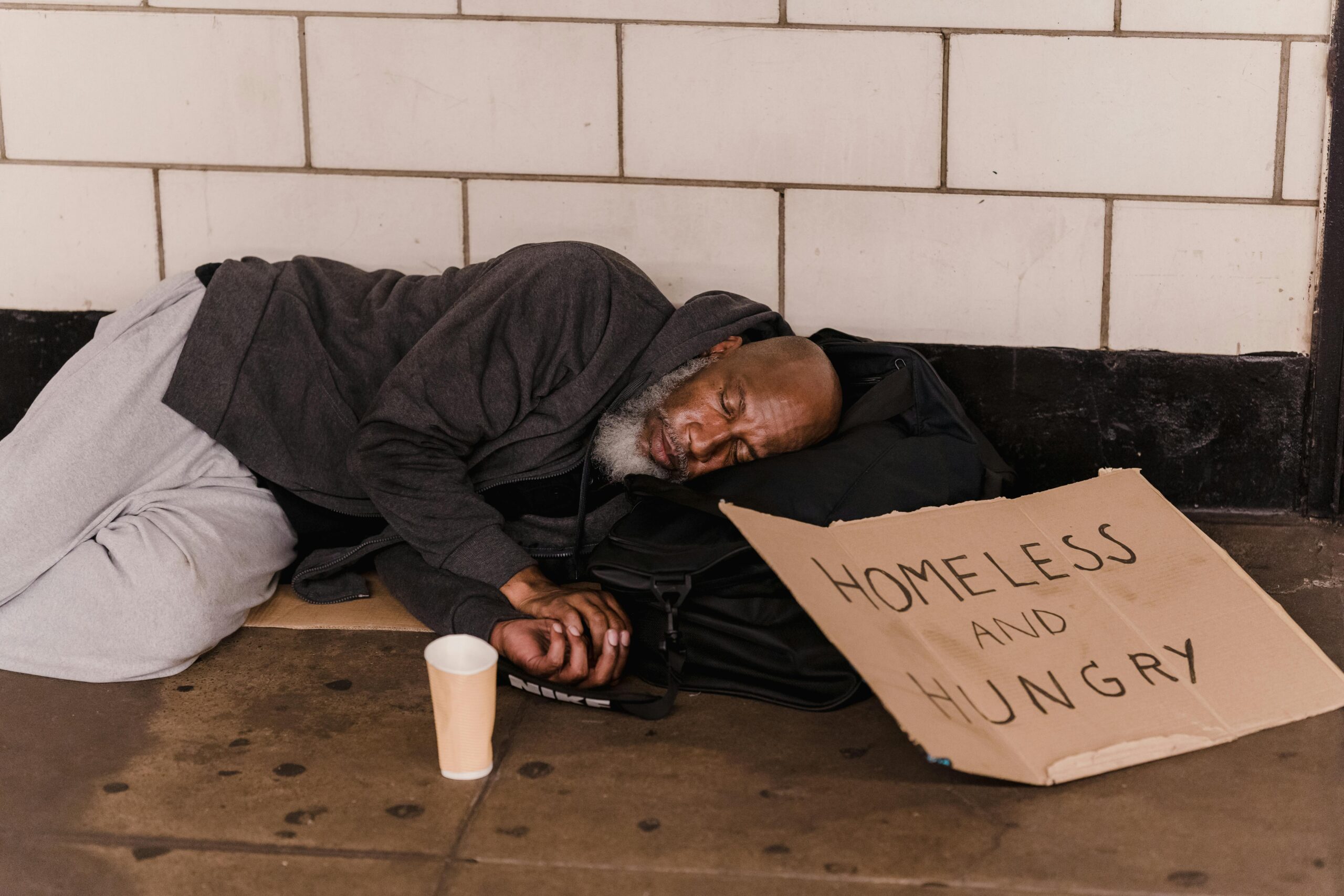
Addressing income inequality requires reimagining what prosperity means. An economy that generates immense wealth for a tiny minority while leaving others behind isn’t successful—it’s failing at its fundamental purpose of promoting human flourishing.
True prosperity means everyone has access to quality education, healthcare, housing, and meaningful work. It means children’s futures aren’t predetermined by their parents’ income. It means democracy genuinely reflects the will of all people, not just the wealthy. It means communities are connected by solidarity rather than divided by economic chasms.
This vision isn’t utopian fantasy—it’s practical possibility. Many societies have achieved much lower levels of inequality than currently exist in countries like the United States, proving that extreme inequality isn’t inevitable. The question isn’t whether a fairer future is possible, but whether we’ll commit to building it.
The hidden impacts of income inequality touch every aspect of our lives, from our health and happiness to our democracy and environment. But these impacts needn’t remain hidden, and inequality needn’t remain entrenched. By understanding the problem’s full scope and committing to comprehensive solutions, we can bridge the gap and create a society where opportunity, dignity, and prosperity are truly shared by all. The path forward requires courage, solidarity, and sustained effort—but the destination, a genuinely fair and flourishing society, is worth every step of the journey.