
Infrastructure development shapes nations, economies, and everyday life. Across continents, countries compete and collaborate to build the bridges, skylines, and systems that define modern civilization.

🌍 The Global Infrastructure Revolution
From the towering skyscrapers of Dubai to the high-speed rail networks crisscrossing Japan, infrastructure development has become the ultimate marker of a nation’s economic vitality and technological prowess. The 21st century has witnessed an unprecedented acceleration in construction projects, urban planning initiatives, and transportation innovations that connect cities, countries, and continents in ways previously unimaginable.
The global infrastructure market reached approximately $4.5 trillion in 2023, with projections suggesting continued exponential growth through the next decade. This massive investment reflects not only economic ambition but also the urgent need to accommodate growing urban populations, address climate challenges, and maintain competitive advantages in an increasingly interconnected world.
Different regions approach infrastructure development with distinct philosophies, resources, and priorities. While some nations focus on mega-projects that capture international attention, others concentrate on incremental improvements that enhance quality of life for citizens. Understanding these diverse approaches offers valuable insights into how infrastructure shapes societies and economies.
Architectural Ambitions: Skylines That Touch the Clouds ☁️
The race to build taller, more innovative structures has defined urban development for over a century. Today’s skylines represent far more than engineering achievements—they embody national pride, economic strength, and architectural vision.
The Middle East’s Vertical Ascendancy
Dubai’s Burj Khalifa, standing at 828 meters, remains the world’s tallest building and a testament to what ambitious vision coupled with substantial resources can accomplish. The United Arab Emirates has transformed from desert landscape to architectural wonderland in just a few decades, creating skylines that rival established metropolises.
Saudi Arabia’s ambitious NEOM project takes this concept even further, planning an entire futuristic city from scratch. The Line, a component of NEOM, proposes a 170-kilometer-long linear city with no cars or streets, representing a radical reimagining of urban living. Whether this vision materializes as planned remains uncertain, but it demonstrates the bold thinking characterizing modern Middle Eastern infrastructure development.
Asia’s Skyscraper Boom
China’s construction sector has produced more skyscrapers in the past two decades than the rest of the world combined. Cities like Shanghai, Shenzhen, and Guangzhou feature skylines that have emerged seemingly overnight, with the Shanghai Tower (632 meters) standing as China’s tallest building and a symbol of the nation’s rapid modernization.
Southeast Asian cities have joined this vertical expansion with enthusiasm. Kuala Lumpur’s Petronas Twin Towers held the title of world’s tallest from 1998 to 2004, while newer developments in Jakarta, Bangkok, and Manila reflect the region’s economic dynamism and growing middle class demanding modern residential and commercial spaces.
Engineering Marvels: Bridges Connecting Impossibilities 🌉
If skyscrapers represent vertical ambition, bridges symbolize humanity’s desire to overcome natural barriers and connect separated communities. Modern bridge engineering combines aesthetic beauty with structural innovation, creating landmarks that facilitate commerce while inspiring awe.
China’s Bridge-Building Dominance
China has established unquestioned leadership in bridge construction, completing projects that seemed impossible just decades ago. The Hong Kong-Zhuhai-Macau Bridge, spanning 55 kilometers across the Pearl River Delta, represents the world’s longest sea crossing. This mega-project includes bridges, tunnels, and artificial islands, showcasing integrated engineering on an unprecedented scale.
The Beipanjiang Bridge, suspended 565 meters above a river valley, holds the record as the world’s highest bridge. China’s mountainous terrain and ambitious connectivity goals have driven innovations in bridge design and construction techniques that now influence projects worldwide.
European Engineering Excellence
Europe’s bridge-building tradition combines historical preservation with modern innovation. The Millau Viaduct in France, with its tallest pier reaching 343 meters, elegantly spans the Tarn River valley while minimizing environmental impact. Its cable-stayed design represents a masterclass in structural aesthetics.
Scandinavian countries have pioneered bridges designed specifically for harsh climates and challenging geography. The Øresund Bridge connecting Denmark and Sweden combines bridge and tunnel segments, facilitating transportation while allowing shipping traffic and maintaining environmental standards.
Transportation Networks: Moving People and Progress 🚄
Modern infrastructure extends far beyond static structures to encompass dynamic transportation systems that define urban functionality and national connectivity.
High-Speed Rail Revolution
Japan’s Shinkansen, launched in 1964, pioneered high-speed rail and continues setting safety and efficiency standards. With operational speeds exceeding 320 km/h and an impeccable safety record spanning six decades, the Shinkansen demonstrates how infrastructure investment yields long-term dividends.
China has built the world’s largest high-speed rail network, spanning over 40,000 kilometers—more than the rest of the world combined. This massive system connects major cities and reduces domestic air travel, demonstrating infrastructure’s role in reshaping transportation preferences and economic geography.
European high-speed rail networks, while smaller than China’s, feature deeper integration across national borders. The interconnected systems allow seamless travel from London to Rome, promoting European unity while reducing carbon emissions compared to air travel.
Urban Metro Systems
Subway and metro systems represent critical infrastructure for managing urban density. The Seoul Metropolitan Subway carries over 7 million passengers daily, featuring integration with bus systems, real-time information systems, and amenities that make public transportation genuinely convenient.
New metro systems in cities like Delhi, Dubai, and Doha demonstrate how emerging economies prioritize public transportation to manage rapid urbanization. These systems incorporate lessons from established networks while implementing newer technologies for ticketing, navigation, and passenger experience.
Innovation in Infrastructure Technology 💡
Contemporary infrastructure development increasingly incorporates cutting-edge technology, transforming how we design, build, and maintain the physical frameworks supporting modern life.
Smart Infrastructure and IoT Integration
Sensors embedded in bridges, roads, and buildings now monitor structural health in real-time, predicting maintenance needs before failures occur. Singapore’s smart nation initiative integrates sensors throughout urban infrastructure, optimizing traffic flow, energy usage, and public services through data analysis.
Barcelona has implemented smart streetlights that adjust brightness based on pedestrian presence, reducing energy consumption while improving safety. These seemingly small innovations aggregate into significant efficiency improvements and cost savings over time.
Sustainable Construction Materials
Innovation extends to the materials themselves. Self-healing concrete, incorporating bacteria that produce limestone to fill cracks, could dramatically extend structure lifespans while reducing maintenance costs. Carbon-negative concrete alternatives promise to transform one of the world’s largest CO2-emitting industries into a potential carbon sink.
Bamboo, engineered wood products, and recycled materials increasingly replace traditional construction materials, offering sustainability without compromising structural integrity. The Netherlands has pioneered 3D-printed bridges using sustainable materials, demonstrating how additive manufacturing could revolutionize infrastructure construction.
Financing Infrastructure: Investment Models and Challenges 💰
The astronomical costs of modern infrastructure projects necessitate innovative financing approaches that balance public interest with fiscal responsibility.
Public-Private Partnerships
Public-private partnerships (PPPs) have become standard for major infrastructure projects, combining government authority with private sector efficiency and capital. Successful PPPs, like those financing many European toll roads and Asian ports, demonstrate this model’s potential when properly structured with clear accountability mechanisms.
However, PPPs also carry risks. Projects in countries like Spain and India have encountered difficulties when revenue projections proved overly optimistic or when contractual terms favored private partners excessively. Balancing risk allocation between public and private sectors remains an ongoing challenge requiring sophisticated legal and financial expertise.
Development Banks and International Financing
Multilateral development banks like the World Bank and Asian Development Bank provide crucial financing for infrastructure in developing nations. China’s Belt and Road Initiative represents an alternative financing model, offering infrastructure investment across Asia, Africa, and Europe while expanding Chinese influence.
This initiative has funded ports, railways, and energy projects in over 70 countries, though concerns about debt sustainability and geopolitical implications have tempered initial enthusiasm in some participating nations. The infrastructure financing landscape increasingly features competition between these different approaches and institutional frameworks.
Regional Approaches: Contrasting Development Philosophies 🗺️
Different regions prioritize distinct aspects of infrastructure development, reflecting cultural values, economic circumstances, and governance systems.
North American Infrastructure Challenges
The United States faces unique infrastructure challenges stemming from aging systems built during the mid-20th century. The American Society of Civil Engineers consistently grades U.S. infrastructure poorly, highlighting deferred maintenance on bridges, roads, and water systems.
Recent federal infrastructure legislation promises significant investment, but the decentralized nature of American governance complicates coordinated development. Success requires cooperation between federal, state, and local authorities with often competing priorities and limited resources.
African Infrastructure Opportunities
Africa’s infrastructure deficit represents both challenge and opportunity. The continent requires an estimated $130-170 billion annually in infrastructure investment, far exceeding current spending levels. However, this gap allows African nations to implement newest technologies without legacy system constraints.
Mobile technology adoption exemplifies this leapfrogging potential. Countries like Kenya revolutionized banking through mobile platforms, bypassing traditional branch infrastructure. Similar innovations in energy, transportation, and communications could accelerate African development while avoiding unsustainable patterns followed by earlier industrializers.
Environmental Considerations: Building Green Futures 🌱
Contemporary infrastructure development must balance progress with environmental stewardship, addressing climate change while meeting growth demands.
Climate-Resilient Design
Infrastructure must withstand increasingly extreme weather events. Cities like Rotterdam have pioneered climate-adaptive design, creating water plazas that serve as recreational spaces during normal conditions but capture excess rainwater during storms, reducing flood risks.
Coastal cities worldwide now design infrastructure considering sea-level rise projections. The Netherlands’ Delta Works, though completed decades ago, exemplifies large-scale climate adaptation, while newer projects in cities like Miami and Jakarta incorporate similar protective measures into urban planning.
Green Infrastructure Integration
Green roofs, urban forests, and constructed wetlands increasingly complement traditional grey infrastructure, providing ecosystem services while managing stormwater and reducing urban heat islands. Singapore’s “city in a garden” approach demonstrates how dense urban environments can integrate nature, improving livability while addressing environmental challenges.
Renewable energy infrastructure—solar farms, wind turbines, and battery storage facilities—represents critical development for sustainable futures. Countries like Denmark and Costa Rica have demonstrated that high renewable energy penetration is technically and economically viable, challenging assumptions about necessary energy infrastructure.
Looking Forward: The Infrastructure of Tomorrow 🔮
Future infrastructure development will likely emphasize adaptability, sustainability, and integration with digital systems. Autonomous vehicles will reshape road design, while drone delivery networks may require new aerial infrastructure. Hyperloop and other novel transportation concepts, though speculative, could revolutionize long-distance travel if technical and economic challenges are overcome.
Space infrastructure—satellite constellations, space stations, and eventually extraterrestrial construction—represents the ultimate frontier. While these developments remain nascent, they reflect humanity’s enduring drive to build, connect, and overcome limitations through infrastructure innovation.
The COVID-19 pandemic highlighted infrastructure’s role in societal resilience, revealing vulnerabilities in supply chains, healthcare systems, and digital connectivity. Post-pandemic infrastructure planning increasingly emphasizes redundancy, local capacity, and flexibility to withstand future disruptions.
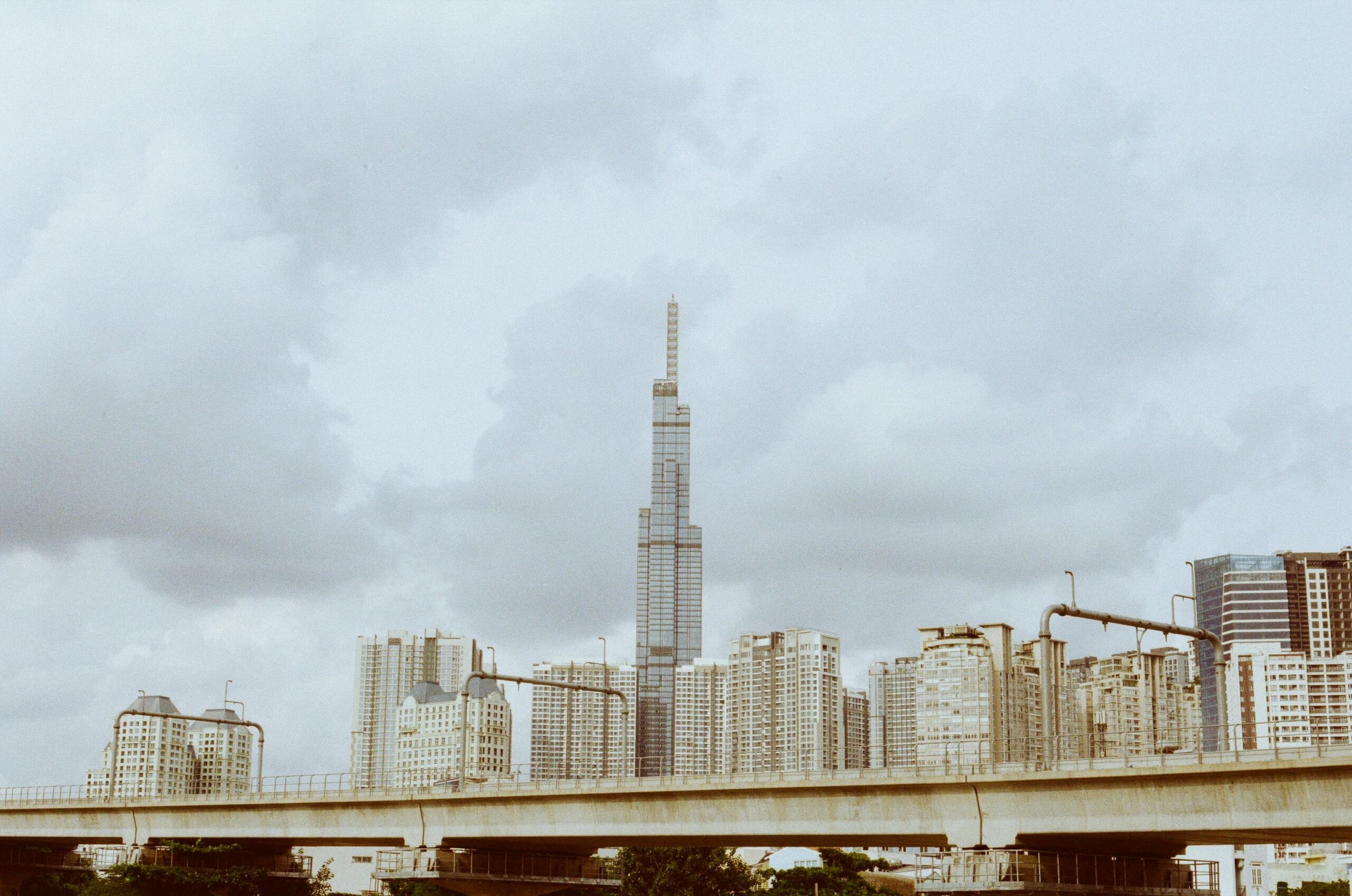
The Human Element: Infrastructure Serving People 👥
Despite technological sophistication and architectural grandeur, infrastructure ultimately succeeds or fails based on how it serves people’s daily needs. The most impressive bridge remains meaningless if it doesn’t improve lives by reducing commute times, facilitating commerce, or connecting separated communities.
Inclusive infrastructure design considers diverse users, including elderly populations, people with disabilities, and economically disadvantaged communities. Universal design principles ensure infrastructure serves everyone, not just those with resources to navigate complex systems or overcome accessibility barriers.
Community engagement in infrastructure planning has become increasingly important, recognizing that local knowledge and priorities should inform development decisions. Projects imposed without consultation often face resistance or fail to achieve intended benefits, while collaborative approaches build support and ensure relevance to actual community needs.
As nations continue building bridges and skylines, the challenge remains balancing ambition with sustainability, innovation with inclusion, and progress with preservation. Global infrastructure development reflects our collective aspirations, capabilities, and commitment to creating physical frameworks that enable human flourishing across generations and geographies.