
The future of our communities depends on how we balance urban expansion with rural resilience, integrating innovation, sustainability, and inclusive growth strategies.

As we stand at the crossroads of unprecedented global change, the conversation around urban versus rural development has never been more critical. Cities are expanding at remarkable rates, while rural areas face depopulation and economic challenges. Yet both environments hold unique potential for shaping sustainable, prosperous communities. The key lies not in choosing one over the other, but in understanding how each can evolve through smart innovation, environmental stewardship, and equitable growth opportunities.
This transformation requires rethinking traditional development models. Urban centers must address density challenges, infrastructure strain, and environmental impact, while rural regions need connectivity, economic diversification, and access to essential services. The solutions emerging today blend technology with community-centered approaches, creating blueprints for tomorrow’s thriving societies.
🌆 The Urban Innovation Landscape: Smart Cities and Sustainable Growth
Urban areas currently house over 55% of the world’s population, a figure projected to reach 68% by 2050. This concentration presents both opportunities and challenges that demand innovative solutions. Smart city initiatives are revolutionizing how urban spaces function, leveraging Internet of Things (IoT) sensors, artificial intelligence, and data analytics to optimize everything from traffic flow to energy consumption.
Cities like Singapore, Copenhagen, and Barcelona lead the way in implementing intelligent infrastructure. These metropolitan areas use real-time data to reduce congestion, minimize pollution, and enhance public services. Smart street lighting adjusts based on pedestrian presence, waste management systems optimize collection routes, and digital platforms connect citizens directly with municipal services.
Sustainability has become the cornerstone of modern urban planning. Green building standards, renewable energy integration, and circular economy principles are reshaping cityscapes. Vertical gardens, rooftop farms, and urban forests combat heat islands while improving air quality. Transit-oriented development reduces car dependency, creating walkable neighborhoods where residents access work, shopping, and recreation without long commutes.
Economic Engines Driving Urban Prosperity
Urban centers function as economic powerhouses, generating approximately 80% of global GDP. This concentration of economic activity stems from agglomeration benefits—the advantages that arise when businesses, talent, and resources cluster together. Innovation districts and technology hubs exemplify this phenomenon, where startups, universities, and established companies collaborate within compact geographic areas.
The digital economy has amplified urban advantages. Tech companies gravitate toward cities with skilled workforces, venture capital access, and cultural amenities that attract talent. This creates positive feedback loops: successful companies draw more entrepreneurs, which attracts more investment, further strengthening the ecosystem.
However, urban economic success has a shadow side. Rising housing costs, gentrification, and income inequality threaten social cohesion. Cities must balance growth with affordability, implementing inclusionary zoning, rent stabilization, and workforce housing programs that prevent displacement and ensure diverse communities.
🌾 Rural Renaissance: Reimagining Countryside Potential
Rural areas face distinct challenges: aging populations, limited economic opportunities, and inadequate infrastructure. Yet a quiet revolution is underway, powered by connectivity improvements, remote work normalization, and renewed appreciation for quality of life factors that rural settings offer.
The COVID-19 pandemic accelerated trends toward remote work, suddenly making location less relevant for knowledge workers. This shift opened opportunities for rural communities to attract residents seeking space, nature, and lower living costs without sacrificing career prospects. Small towns offering high-speed internet, coworking spaces, and cultural amenities have become magnets for urban expatriates.
Agricultural innovation is transforming rural economies beyond traditional farming. Precision agriculture uses GPS, drones, and sensors to optimize crop yields while reducing water and chemical inputs. Agritech startups develop vertical farming systems, alternative proteins, and sustainable aquaculture, creating high-value rural employment.
Connectivity as the Great Equalizer
Broadband access represents critical infrastructure for rural development, as essential as roads and electricity. High-speed internet enables telemedicine, distance learning, e-commerce, and remote work—services that bridge urban-rural divides. Government programs and private initiatives expanding fiber optic networks and 5G coverage are unlocking rural potential.
Digital platforms help rural businesses reach global markets. Artisans, specialty food producers, and tourism operators leverage e-commerce and social media to build brands and customer bases far beyond local boundaries. This digital transformation allows rural enterprises to compete effectively while maintaining location-specific advantages.
Education and healthcare delivery have been revolutionized by connectivity. Virtual classrooms connect rural students with specialized courses and expert instructors. Telemedicine platforms provide specialist consultations, mental health services, and chronic disease management without requiring long-distance travel. These innovations address persistent rural disadvantages in service access.
⚡ Bridging the Divide: Integrated Development Strategies
The most forward-thinking development approaches recognize urban and rural areas as interconnected systems rather than competing alternatives. Regional planning frameworks consider how cities and surrounding countryside can complement each other, creating resilient economic and environmental networks.
Peri-urban zones—transitional areas between urban and rural—present unique opportunities and challenges. These regions experience development pressure but retain agricultural land and natural resources. Innovative zoning protects farmland and ecosystems while accommodating carefully planned growth that serves both urban and rural needs.
Transportation infrastructure connecting urban centers with rural hinterlands enables economic exchange and opportunity access. High-speed rail, improved highways, and regional transit systems reduce travel times, making it feasible to live rurally while accessing urban employment or cultural resources. This connectivity supports distributed development patterns that relieve urban density pressure.
Sustainability as Common Ground
Environmental challenges transcend urban-rural boundaries, requiring coordinated responses. Climate change adaptation, water resource management, and biodiversity conservation demand regional cooperation. Urban areas depend on rural watersheds for drinking water, while cities generate demand for renewable energy that rural areas can supply through wind and solar farms.
Circular economy principles create urban-rural synergies. Cities generate organic waste that can enrich rural agricultural soils. Rural biomass and agricultural residues provide urban renewable energy feedstock. These closed-loop systems reduce environmental impact while creating economic value across the urban-rural spectrum.
Nature-based solutions benefit both environments. Urban green infrastructure—parks, wetlands, and green roofs—provides flood control, heat mitigation, and recreational space. Rural land conservation preserves ecosystems services, protects agricultural capacity, and maintains carbon sinks. Integrated planning ensures these natural systems function cohesively across regions.
🚀 Technology and Innovation: Transforming Both Worlds
Technological advancement isn’t exclusively urban anymore. Rural areas increasingly access and adapt innovations, while urban challenges inspire solutions with broader applications. The democratization of technology through cloud computing, open-source software, and affordable sensors enables innovation regardless of location.
Autonomous vehicles promise to reshape both urban and rural mobility. In cities, self-driving shuttles could provide efficient first-mile/last-mile connections to transit systems. Rural areas might benefit even more dramatically, with autonomous vehicles providing on-demand transportation where fixed-route services aren’t economically viable.
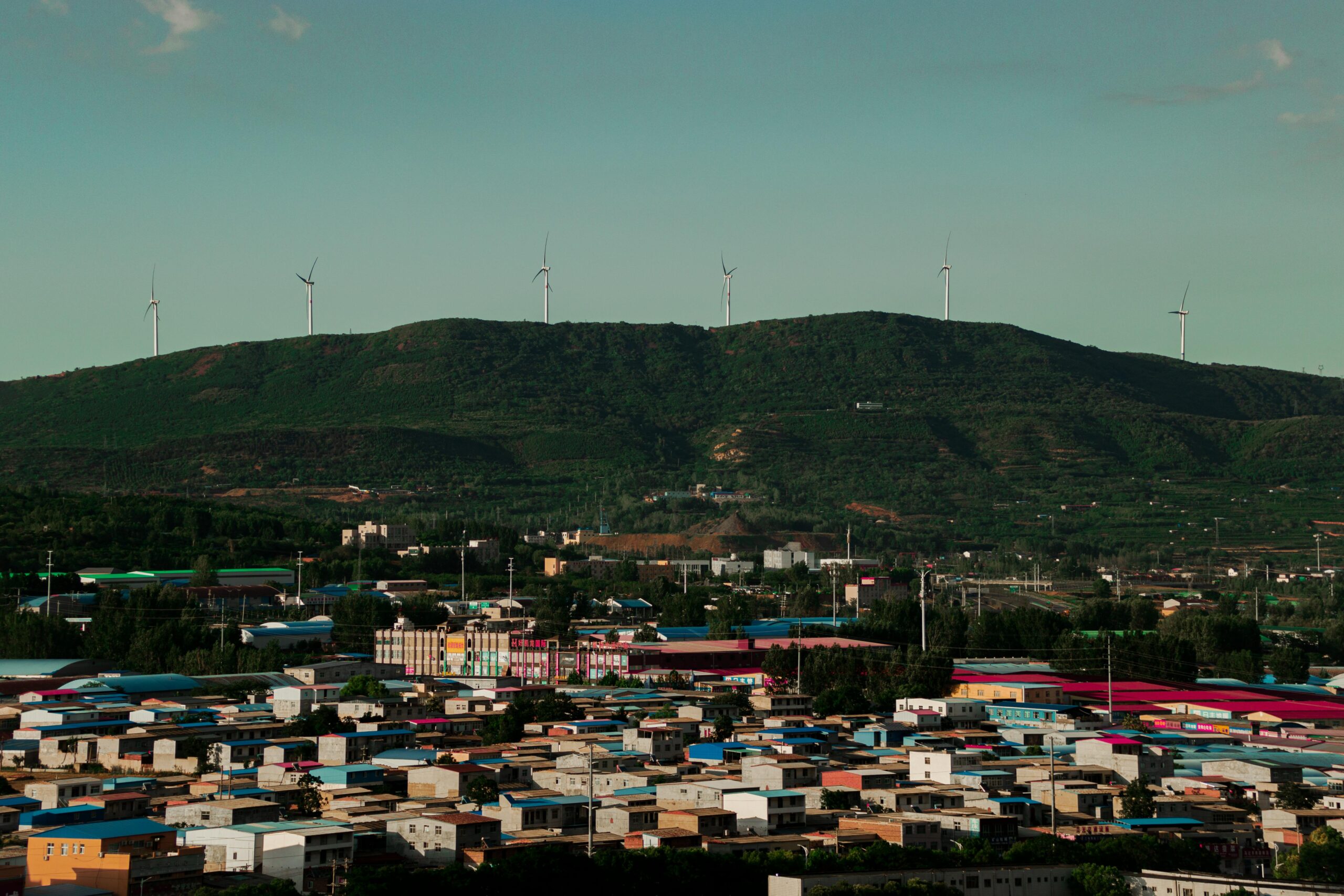
Renewable energy technologies are distributed by nature, offering rural areas competitive advantages. Solar farms, wind turbines, and biomass facilities create local employment while generating clean power. Battery storage and smart grid technologies enable rural communities to become energy exporters, creating new revenue streams.
Innovation Ecosystems Beyond Metropolitan Boundaries
Entrepreneurship and innovation are no longer exclusively urban phenomena. Rural innovation hubs, maker spaces, and incubators support startups addressing local challenges with scalable solutions. Agricultural technology, outdoor recreation products, and sustainability innovations often emerge from rural contexts where problems and opportunities are most visible.
University extension programs and research stations located in rural areas serve as innovation anchors. These institutions conduct applied research, provide technical assistance, and often spin off companies commercializing new technologies. Their presence creates knowledge economy employment in rural settings.
Remote collaboration tools enable distributed teams to work effectively across geographic boundaries. Designers in rural locations collaborate with urban clients seamlessly. Software developers contribute to Silicon Valley projects from small-town home offices. This geographic flexibility allows talent to choose locations based on lifestyle preferences rather than career necessity.
💡 Policy Frameworks for Balanced Development
Government policy profoundly influences development patterns through investment priorities, regulatory frameworks, and incentive structures. Balanced approaches require coordinating across jurisdictions and sectors, avoiding one-size-fits-all solutions while ensuring equitable opportunity distribution.
Infrastructure investment deserves strategic prioritization. Urban transit, water systems, and affordable housing need continued attention, but rural broadband, healthcare facilities, and road maintenance merit comparable commitment. Funding formulas should recognize different cost structures and population densities without disadvantaging either environment.
Tax and incentive policies shape business location decisions. Economic development programs traditionally favored urban areas with enterprise zones and tax increment financing. Rural-focused incentives—reduced taxes for remote workers, startup grants for agricultural innovation, and investment in rural small businesses—can level the playing field.
Regulatory Innovation for Modern Realities
Zoning codes and building regulations often reflect outdated assumptions about urban density and rural character. Form-based codes allow diverse building types while ensuring neighborhood compatibility. Agricultural zoning modifications permit value-added processing and agritourism without undermining farming viability. These regulatory updates enable innovation within appropriate guardrails.
Environmental regulations benefit from place-based flexibility. Urban stormwater management differs fundamentally from rural watershed protection, though both aim for clean water. Tailored approaches achieve environmental goals more effectively than rigid universal standards that ignore contextual differences.
Housing policy must address affordability challenges in both settings. Urban programs focus on density bonuses, inclusionary zoning, and tenant protections. Rural housing challenges involve construction costs, limited rental stock, and seasonal worker accommodation. Effective solutions recognize these distinct dynamics while pursuing universal goals of safe, affordable housing.
🌍 Social Equity and Community Well-being
Development success ultimately depends on whether communities thrive—not just economically, but socially, culturally, and personally. Equity considerations ensure that growth benefits reach all residents, not just advantaged groups. Both urban and rural areas struggle with disparities requiring intentional intervention.
Urban inequality manifests in stark contrasts: luxury high-rises adjacent to homeless encampments, affluent neighborhoods with excellent services beside marginalized communities lacking basics. Addressing these disparities requires inclusive planning that centers disadvantaged voices, equitable resource allocation, and programs combating systemic barriers.
Rural poverty, while less visible, affects millions. Limited employment options, educational barriers, and geographic isolation compound disadvantages. Successful rural development incorporates workforce training, entrepreneurship support, and social services that address multiple dimensions of rural hardship simultaneously.
Cultural Vitality and Sense of Place
Communities need more than economic functionality—they require cultural richness, social connections, and distinctive identities. Urban cultural districts, public art programs, and historic preservation maintain sense of place amid rapid change. Rural communities preserve traditions, celebrate agricultural heritage, and protect landscapes that define regional character.
Social infrastructure—libraries, community centers, parks, and gathering spaces—supports community cohesion. These facilities provide neutral ground for diverse residents to interact, building social capital that strengthens communities’ capacity to address challenges collectively. Investment in social infrastructure deserves priority alongside physical infrastructure.
Participatory planning processes ensure development reflects community values rather than imposing external visions. Resident engagement, particularly from historically marginalized groups, produces more legitimate, sustainable outcomes. Digital tools can enhance participation, though in-person engagement remains irreplaceable for building trust and understanding nuanced perspectives.
🔮 Envisioning Tomorrow’s Communities
The future landscape will likely feature greater diversity than today’s relatively binary urban-rural division. Suburban retrofitting converts car-dependent sprawl into walkable, transit-oriented communities. Small cities leverage affordability and quality of life to attract remote workers and entrepreneurs. Rural areas develop specialized economic niches while maintaining agricultural and conservation functions.
Climate change will reshape development patterns as coastal cities face flooding, southwestern regions confront water scarcity, and northern areas become more habitable. Climate migration will redistribute populations, creating planning challenges and opportunities. Communities preparing now with resilient infrastructure and adaptive policies will navigate these transitions more successfully.
Demographic shifts—aging populations, changing household structures, and evolving immigration patterns—demand responsive development. Multigenerational housing, age-friendly communities, and culturally appropriate services must be integrated into planning frameworks. Flexibility becomes essential as communities adapt to changing resident needs.
Learning and Adaptation as Core Competencies
Tomorrow’s successful communities, whether urban or rural, will excel at learning from experience and adapting to new circumstances. Pilot projects, experimentation, and willingness to abandon failing approaches enable continuous improvement. Monitoring systems track progress toward goals, providing feedback for course corrections.
Cross-community learning networks accelerate innovation diffusion. Urban sustainability practices inform rural applications and vice versa. International exchanges expose local leaders to diverse solutions. This knowledge sharing prevents redundant efforts and helps communities avoid others’ mistakes while building on successes.
Building adaptive capacity requires investment in education, leadership development, and civic engagement. Communities with strong institutions, skilled public servants, and engaged citizens navigate change more effectively than those lacking these resources. This human capital development represents perhaps the most important investment communities can make.
🎯 Charting the Path Forward
Urban and rural development need not be competitive zero-sum games. Both environments offer unique values and face distinct challenges. The path forward involves recognizing their interdependence, supporting innovation appropriate to each context, and ensuring that sustainability and equity guide development decisions.
Investment must flow to both urban and rural areas strategically, addressing each environment’s specific needs while building connecting infrastructure and services. Policy frameworks should enable experimentation, support innovation, and remove barriers preventing communities from adapting to changing circumstances.
Ultimately, shaping tomorrow’s communities requires collective vision, sustained commitment, and inclusive processes that engage diverse stakeholders. The communities we build today will define quality of life for generations. By embracing innovation, prioritizing sustainability, and pursuing equitable growth, we can create urban and rural environments where all people thrive. The choice isn’t between cities and countryside—it’s about building resilient, prosperous communities across the full spectrum of human settlement patterns, each contributing its unique strengths to our shared future.