Public services are the backbone of thriving communities, yet millions still face barriers in accessing essential resources, support, and opportunities in our increasingly digital world.

The transformation of public services has become a critical priority for governments, organizations, and community leaders worldwide. As technology advances and societies become more interconnected, the gap between those who can easily access services and those who cannot continues to widen. Creating truly inclusive communities requires intentional strategies that address digital divides, physical accessibility, language barriers, and socioeconomic challenges that prevent equal participation.
Modern public services encompass everything from healthcare and education to transportation, social welfare, and civic engagement platforms. When these services remain inaccessible to significant portions of the population, entire communities suffer. Children miss educational opportunities, seniors struggle to access healthcare, immigrants face isolation, and people with disabilities encounter unnecessary obstacles in daily life.
🌐 The Digital Transformation Challenge
Digital transformation has revolutionized how governments deliver services, offering unprecedented convenience through online portals, mobile applications, and automated systems. However, this shift has inadvertently created new barriers for digitally disadvantaged populations. Approximately 2.9 billion people worldwide remain offline, with significant disparities based on age, income, geography, and education level.
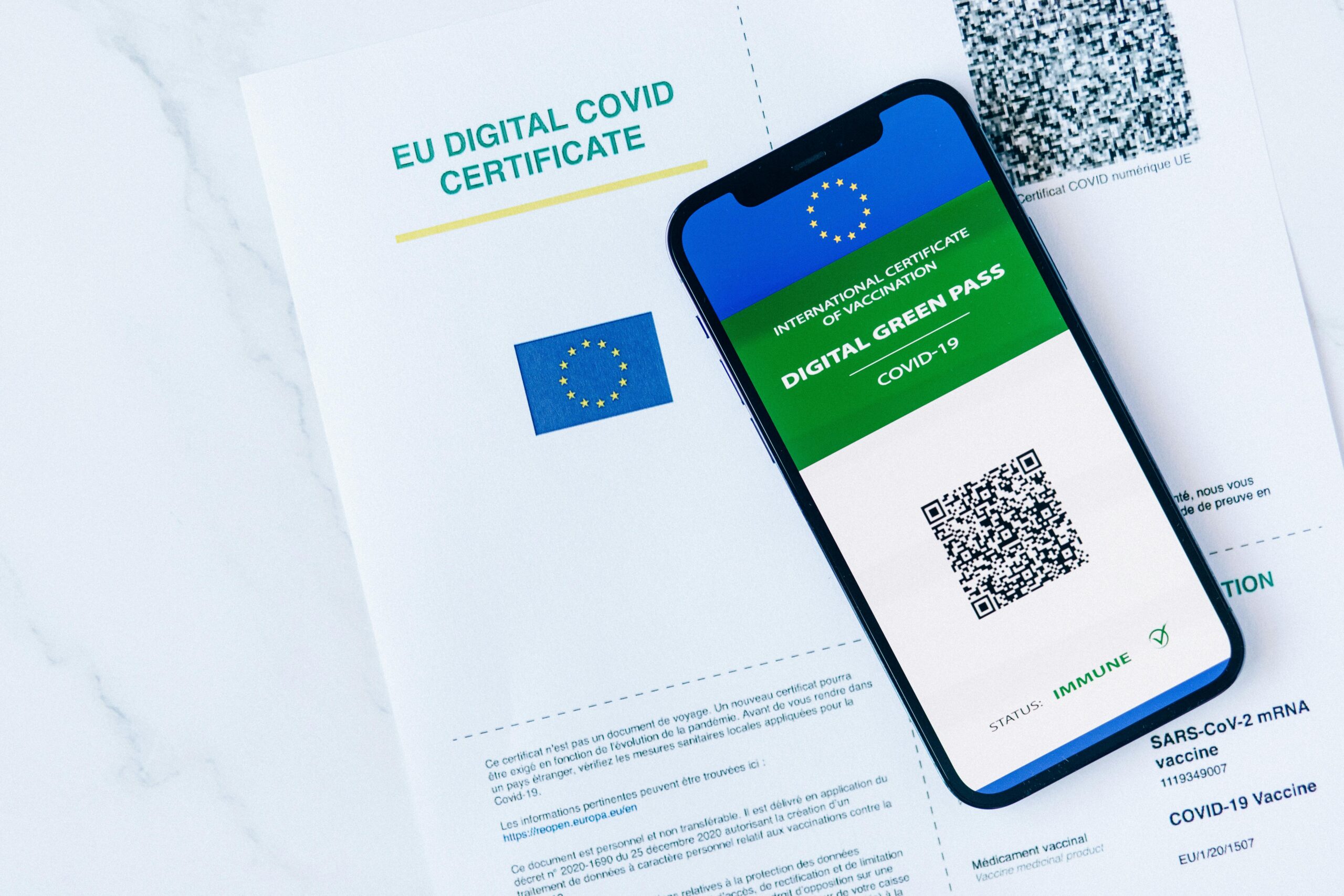
The COVID-19 pandemic dramatically accelerated digital service delivery, forcing many traditional in-person services online almost overnight. While this transition benefited tech-savvy populations, it left vulnerable groups struggling to access unemployment benefits, vaccination appointments, educational resources, and essential government support. This digital divide isn’t merely about internet access—it encompasses digital literacy, device availability, affordable connectivity, and interface design that accommodates diverse user needs.
Progressive municipalities are addressing these challenges through multi-channel service delivery approaches. Rather than exclusively digital solutions, they maintain physical service centers, telephone helplines, and community outreach programs alongside online platforms. This hybrid model ensures nobody falls through the cracks while gradually building digital capacity across all demographic groups.
Building Digital Literacy at the Community Level
Digital literacy programs have emerged as essential components of inclusive service delivery. Libraries, community centers, and nonprofit organizations increasingly offer free training sessions covering basic computer skills, internet navigation, online safety, and specific government service platforms. These programs are most effective when tailored to specific community needs—seniors may need different approaches than recent immigrants or people with disabilities.
Peer-to-peer learning models have proven particularly successful, where community members with digital skills volunteer to mentor neighbors. This approach builds social connections while transferring knowledge, creating sustainable support networks that continue beyond formal training programs.
♿ Designing for Universal Accessibility
True accessibility extends far beyond wheelchair ramps and automated doors. Universal design principles recognize that public services must accommodate the full spectrum of human diversity, including physical, sensory, cognitive, and neurological variations. When services are designed with accessibility as a foundational principle rather than an afterthought, everyone benefits.
Website accessibility standards like WCAG (Web Content Accessibility Guidelines) provide frameworks for creating digital services that work with screen readers, keyboard navigation, and assistive technologies. Yet implementation remains inconsistent across government platforms. Many public service websites still feature inaccessible PDF forms, videos without captions, navigation requiring mouse control, and color schemes that exclude colorblind users.
Physical accessibility requires equally thoughtful consideration. Public buildings need clear wayfinding systems, adequate lighting, acoustically treated spaces, accessible restrooms, and consideration for people with invisible disabilities like chronic pain or sensory processing disorders. Service counters at varying heights, quiet spaces for people overwhelmed by stimulation, and flexible appointment systems accommodate diverse needs.
Technology as an Accessibility Enabler 🔓
Assistive technology has transformed accessibility possibilities. Screen readers, speech-to-text software, eye-tracking devices, and customizable interface controls enable people with disabilities to access services independently. Government agencies that embrace these technologies and ensure compatibility with their systems dramatically expand their reach.
Mobile applications offer particular promise for accessibility enhancement. Smartphones have become ubiquitous across socioeconomic groups, and well-designed government service apps can integrate accessibility features directly. Voice control, adjustable text sizes, simplified interfaces, and offline functionality make services more accessible to diverse populations.
🗣️ Bridging Language and Cultural Barriers
Linguistic diversity enriches communities but can create significant service access barriers when government systems operate exclusively in dominant languages. Immigrant and refugee populations often struggle to navigate complex bureaucratic processes in unfamiliar languages, missing critical deadlines, misunderstanding requirements, or simply avoiding services altogether due to language anxiety.
Comprehensive language access requires more than simple translation. Cultural context, literacy levels, and communication preferences vary significantly across linguistic communities. Professional interpretation services, multilingual staff, translated materials in plain language, and culturally competent service design all contribute to genuine accessibility.
Some forward-thinking jurisdictions have implemented language access policies requiring all public-facing services to be available in the most common community languages. These policies typically include:
- Automatic language identification and appropriate service routing
- Professional interpretation services available on-demand
- Critical documents translated into multiple languages
- Multilingual signage in public spaces
- Staff training in cultural competency and language access rights
- Community liaison positions filled by multilingual cultural navigators
Technology-Enabled Language Solutions
Translation technology has advanced dramatically, offering cost-effective solutions for language accessibility. Real-time translation apps, multilingual chatbots, and automated document translation reduce barriers while supplementing—not replacing—professional human interpretation for complex or sensitive interactions.
Video remote interpretation (VRI) services enable government offices to provide immediate access to professional interpreters in dozens of languages without maintaining large multilingual staff. This technology proves particularly valuable for less common languages and in emergency situations requiring immediate communication.
💡 Community-Centered Service Design
The most effective public services are designed with, not for, the communities they serve. Participatory design processes that involve end-users throughout development ensure services actually meet real needs rather than assumptions about those needs. This approach requires government agencies to fundamentally shift from top-down service delivery to collaborative problem-solving partnerships with residents.
Community engagement takes many forms—surveys, focus groups, public forums, advisory committees, and pilot programs. However, traditional engagement methods often reach only the most connected, articulate, and available community members. Truly inclusive engagement requires proactive outreach to underrepresented groups, meetings in accessible locations at convenient times, childcare provision, compensation for participation, and formats that accommodate different communication styles and abilities.
Building Trust Through Transparency and Responsiveness
Many vulnerable populations avoid public services due to mistrust stemming from historical discrimination, negative personal experiences, or concerns about privacy and documentation status. Building trust requires consistent transparency, accountability, and demonstrated commitment to equitable service delivery.
Open data initiatives, regular public reporting on service performance metrics, clear complaint processes with meaningful resolution, and visible leadership commitment to equity all contribute to institutional trustworthiness. When communities see their feedback leading to tangible improvements, engagement increases and services become more effective.
📊 Data-Driven Equity in Service Delivery
Strategic use of data can illuminate disparities in service access and outcomes, enabling targeted interventions. However, data collection itself must be conducted equitably and ethically, protecting privacy while capturing information necessary for equity analysis.
| Equity Metric | What It Measures | Why It Matters |
|---|---|---|
| Service Awareness | Knowledge of available services across demographics | Identifies communication gaps |
| Access Rates | Who successfully accesses services | Reveals systematic barriers |
| Completion Rates | Who successfully completes service processes | Shows where people encounter obstacles |
| Satisfaction Levels | User experience quality across groups | Indicates service cultural competency |
| Outcome Equity | Whether services produce equitable results | Measures ultimate impact on disparities |
Disaggregated data analysis—examining outcomes by race, income, disability status, language, age, and geography—reveals patterns invisible in aggregate statistics. This granular understanding enables precise interventions addressing specific community needs rather than one-size-fits-all approaches that often fail the most marginalized.
🤝 Cross-Sector Collaboration for Comprehensive Solutions
No single agency or organization can create fully inclusive communities alone. Effective service accessibility requires collaboration across government departments, nonprofit organizations, businesses, educational institutions, and community groups. These partnerships leverage diverse expertise, resources, and community connections to address complex, interconnected challenges.
Integrated service hubs represent one successful collaboration model. These centers co-locate multiple services—healthcare, employment support, legal assistance, housing resources, and social services—in accessible community locations. Rather than navigating disconnected agencies, residents receive coordinated support addressing their holistic needs.
Technology platforms can facilitate similar integration digitally. Single sign-on systems allowing residents to access multiple government services through one account reduce complexity. Data sharing agreements (with appropriate privacy protections) enable agencies to coordinate support and reduce redundant information requests that burden service users.
🚀 Innovation and Continuous Improvement
Creating connected, inclusive communities isn’t a destination but an ongoing journey requiring continuous innovation, evaluation, and adaptation. As technology evolves, demographics shift, and new challenges emerge, public services must remain dynamic and responsive.
Innovation labs within government agencies experiment with new service delivery approaches, testing ideas quickly, learning from failures, and scaling successes. These labs often partner with universities, technology companies, and design firms to bring fresh perspectives and specialized expertise to public service challenges.
Regular service audits through an equity lens identify emerging gaps and ensure existing accommodations remain effective. What worked five years ago may no longer serve current community needs, particularly given rapid technological and social changes.
Empowering Communities as Co-Creators
The most sustainable improvements emerge when communities themselves drive innovation. Community-led initiatives often identify creative solutions invisible to external experts because they emerge from lived experience. Supporting grassroots innovation through funding, technical assistance, and policy flexibility unleashes tremendous potential for locally appropriate service enhancements.
Participatory budgeting processes that allow residents to directly decide how portions of public funds are spent have proven remarkably effective at identifying and addressing accessibility barriers. These processes inherently engage diverse community voices and build civic capacity alongside improving services.

🌟 Creating Lasting Change Through Policy and Advocacy
While individual program improvements matter, systemic change requires policy frameworks that embed accessibility and inclusion as non-negotiable requirements. Equity-focused procurement policies ensure contractors providing government services meet accessibility standards. Mandatory accessibility statements requiring agencies to publicly report compliance create accountability. Budget processes that prioritize equity ensure adequate resources for inclusive service delivery.
Advocacy organizations play crucial roles pressuring governments to maintain commitment to accessibility during competing budget priorities. Grassroots movements elevate voices of impacted communities, ensuring policy discussions include people most affected by service gaps. Coalition building across disability rights, immigrant rights, senior advocacy, and other movements creates powerful unified demands for genuinely inclusive public services.
The vision of connected, inclusive communities where everyone can access the services they need isn’t utopian idealism—it’s an achievable goal requiring sustained commitment, adequate resources, and genuine collaboration. Every barrier removed, every service made more accessible, and every community member empowered to fully participate brings us closer to societies where public services genuinely serve all members of the public.
The work of unlocking access continues, driven by recognition that thriving communities depend on the full participation of all residents. When we design services with the most marginalized in mind, we create systems that work better for everyone. This commitment to universal accessibility and genuine inclusion defines the difference between communities that merely function and those that truly flourish.