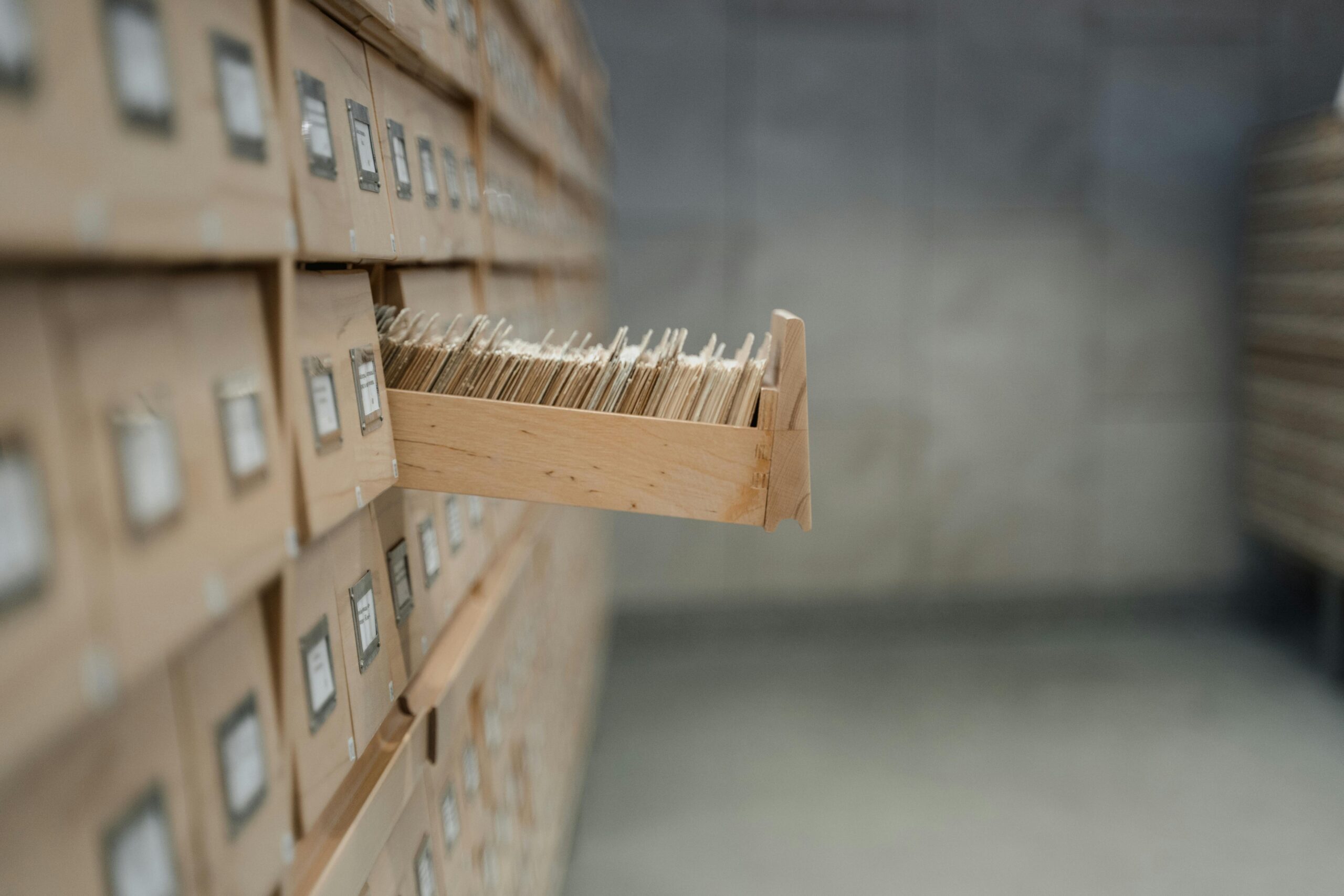
Archives shape how we understand history, yet for centuries they’ve been curated through narrow lenses, excluding countless voices and experiences that deserve recognition.

🔍 The Silent Gatekeepers: Understanding Archival Power
Archives have long been regarded as neutral repositories of truth, carefully preserving documents, photographs, and records for future generations. However, this perception overlooks a fundamental reality: archives are created by people, and people carry biases, whether conscious or unconscious. The decisions about what to preserve, what to discard, and how to catalog materials reflect the values, priorities, and prejudices of those in power at any given time.
Throughout history, archivists and institutional decision-makers have predominantly been white, male, and privileged. This demographic homogeneity has profoundly influenced which stories entered the historical record and which were left in the shadows. Women’s personal letters were discarded as trivial. Indigenous oral histories were dismissed as unreliable. The contributions of working-class communities were overlooked in favor of elite documentation.
The consequences of these archival decisions extend far beyond dusty storage rooms. They fundamentally shape our collective understanding of the past, influencing everything from educational curricula to public policy. When certain communities are systematically excluded from archives, their struggles, achievements, and perspectives disappear from mainstream historical narratives.
📚 The Many Faces of Archival Bias
Archival bias manifests in numerous forms, each contributing to an incomplete historical record. Understanding these different dimensions is essential for developing effective strategies to combat them.
Selection Bias: Choosing What Matters
Selection bias occurs when archivists prioritize certain types of materials over others based on subjective judgments about historical significance. Traditional archival practice has favored official government documents, business records, and the papers of prominent individuals. Meanwhile, the everyday experiences of ordinary people—particularly those from marginalized communities—have been deemed insufficiently important for preservation.
This bias creates a historical record dominated by institutional perspectives and elite voices. The result is a past that appears more uniform, orderly, and consensus-driven than it actually was, obscuring the diversity of human experience and the conflicts that shaped social change.
Description Bias: Language and Categorization
Even when diverse materials enter archives, how they’re described and cataloged can perpetuate bias. Historical finding aids and metadata often employed offensive terminology, stereotypical characterizations, or categories that reflected prejudiced worldviews. Indigenous peoples were classified using derogatory terms. LGBTQ+ materials were labeled with pathologizing language. Women’s contributions were minimized through dismissive descriptions.
These descriptive choices don’t merely reflect past attitudes—they actively shape present-day access. Researchers using contemporary search terms may never discover relevant materials buried under outdated or offensive language. The organizational structure itself becomes a barrier to uncovering hidden histories.
Appraisal Bias: Determining Value
Appraisal—the process of determining what has enduring value and should be permanently preserved—represents perhaps the most consequential form of archival bias. When appraisers lack diverse perspectives or fail to recognize the historical significance of materials documenting marginalized experiences, entire communities can be erased from the permanent record.
Religious minorities, immigrant communities, people with disabilities, and countless other groups have seen their documentary heritage destroyed or neglected because appraisers didn’t recognize its value. This loss is often irreversible, as materials discarded decades ago cannot be recovered.
🌍 Global Perspectives on Archival Exclusion
Archival bias isn’t limited to any single country or region—it’s a global phenomenon rooted in colonialism, patriarchy, and other systems of power. However, it manifests differently across cultural contexts, requiring nuanced understanding and locally appropriate responses.
In former colonial territories, national archives often contain extensive documentation of colonial administration while lacking records created by indigenous populations. The colonizers’ perspective dominates, portraying imperialism through administrative efficiency rather than examining its violence and exploitation. Many communities find their own histories preserved not in their homeland but in archives located in former colonial capitals thousands of miles away.
Post-conflict societies face unique archival challenges. During wars, revolutions, and periods of repression, archives are often deliberately destroyed to eliminate evidence of atrocities or to erase the historical legitimacy of opposition movements. Reconstructing these lost archives requires innovative approaches, including oral history projects and the recovery of personal collections that survived in private hands.
💡 Illuminating the Shadows: Strategies for Change
Recognizing archival bias is only the first step. Transforming archives into truly inclusive institutions requires sustained effort across multiple dimensions, from acquisition practices to public engagement.
Community-Centered Collecting
Progressive archives are shifting from passive repositories to active partners with communities. Rather than waiting for materials to be donated, archivists are reaching out to underrepresented groups, building relationships, and working collaboratively to document diverse experiences.
This approach requires archivists to leave their institutions, attend community events, learn about local concerns, and earn trust. It means being flexible about traditional archival standards when they conflict with community values. Some indigenous communities, for example, prefer to maintain physical custody of sacred materials while allowing digital access under specific protocols.
Participatory Description and Metadata Reform
Many institutions are now inviting community members to participate in describing archival collections. This participatory approach brings multiple perspectives to bear, correcting offensive language and adding context that professional archivists might miss.
Archives are also systematically reviewing legacy metadata to identify and remediate harmful language. This work is painstaking and ongoing, but essential for improving access and demonstrating institutional commitment to inclusion. Some archives publish their reparative description guidelines, allowing others to learn from their approaches.
Digital Technologies and Democratized Access
Digital technology offers unprecedented opportunities to overcome geographic and economic barriers to archival access. Digitization projects can make materials available to descendants of those who created them, researchers who cannot travel, and global audiences interested in diverse histories.
However, digitization alone doesn’t solve bias—it can actually amplify it if institutions only digitize already-prominent collections. Strategic digitization prioritizes underrepresented materials, recognizing that online visibility powerfully shapes which histories receive attention and scholarly engagement.
🎯 Case Studies in Transformative Practice
Examining specific examples of institutions confronting archival bias provides concrete models for change and illustrates both challenges and possibilities.
Recovering LGBTQ+ Histories
For decades, LGBTQ+ people lived in fear of persecution, and many destroyed personal papers to protect themselves and their families. Archives largely ignored queer histories, considering them inappropriate or insignificant. Today, specialized archives like the ONE National Gay & Lesbian Archives and mainstream institutions with dedicated LGBTQ+ collecting programs are working to recover these hidden histories.
These efforts involve oral history projects with aging community members, digitization of endangered materials like periodicals and organizational records, and partnerships with LGBTQ+ community centers. The resulting collections document activism, culture, daily life, and the profound diversity within LGBTQ+ communities across decades of social change.
Documenting Immigration Experiences
Immigration archives have traditionally focused on government records—border crossing documents, naturalization papers, and policy files. While important, these sources present immigration through a bureaucratic lens, emphasizing regulation rather than human experience.
Newer initiatives prioritize immigrant voices themselves. The Immigration History Research Center at the University of Minnesota, for example, collects materials in dozens of languages, documenting how immigrants maintained cultural traditions, built communities, and navigated between old and new identities. These collections reveal immigration as a multifaceted human experience rather than merely an administrative process.
Preserving Indigenous Knowledge
Indigenous communities worldwide are reclaiming control over their own archival heritage. Many are establishing tribal archives that apply indigenous protocols to preservation and access, recognizing that not all knowledge should be universally available and that cultural context matters profoundly.
These archives often integrate oral traditions with documentary materials, rejecting Western hierarchies that privilege written sources. They may restrict access to sacred or sensitive materials while sharing other aspects of cultural heritage. This approach challenges conventional archival assumptions about openness while honoring indigenous sovereignty and epistemology.
🔧 Practical Tools for Researchers and Advocates
Anyone engaged with archives—whether as researchers, educators, or community advocates—can contribute to more inclusive historical narratives. Understanding how to navigate biased archives and push for change empowers diverse stakeholders to participate in this work.
Researchers should approach archives critically, recognizing that silences and gaps in the record are themselves historical evidence. What’s missing often reveals as much as what’s preserved. Asking why certain voices are absent and seeking alternative sources—oral histories, material culture, visual evidence—can help construct more complete narratives despite archival limitations.
Advocating for archival change means supporting institutional accountability. Ask archives about their collecting priorities, diversity initiatives, and community engagement efforts. Encourage them to transparently report on their progress toward inclusive representation. Advocate for increased funding for archives serving marginalized communities, which often operate on shoestring budgets despite their crucial work.
Individuals can also contribute to the historical record by preserving their own materials and encouraging family and community members to do likewise. Personal collections documenting everyday life, grassroots organizing, cultural traditions, and community development deserve preservation. Many archives welcome such donations and will work with donors to ensure materials are accessible to future researchers.
📖 Education and the Next Generation
Transforming archival practice requires educating future archivists differently. Graduate programs in library and information science are increasingly incorporating critical perspectives on archives, teaching students to recognize bias and develop inclusive practices.
This education extends beyond technical skills to encompass ethics, community engagement, and social justice frameworks. Future archivists learn to see their work not as neutral preservation but as active participation in shaping collective memory and historical understanding. They study diverse cultural approaches to records and knowledge, expanding beyond Western archival traditions.
Equally important is teaching students in other fields—history, sociology, journalism, and beyond—to approach archives critically. Media literacy in the digital age includes understanding how historical narratives are constructed and whose perspectives are privileged. Students who learn to question archival bias become more sophisticated researchers and more engaged citizens.
🌟 The Path Forward: Archives as Justice Work
Addressing archival bias is fundamentally about justice—epistemic justice, which recognizes diverse ways of knowing, and social justice, which challenges systems of power that determine whose stories matter. Archives can either reinforce dominant narratives or become sites of resistance and pluralism.
The work ahead is substantial. Decades or centuries of biased collecting cannot be corrected overnight. However, momentum is building as archivists, communities, and researchers collaborate to unveil hidden histories and create more inclusive records. Each recovered collection, each reparative description project, and each community partnership represents progress toward archives that reflect the full complexity of human experience.
This transformation requires resources—funding, time, and institutional commitment. It requires humility from archivists who must acknowledge past failings and share authority with communities. It requires patience from communities who have experienced historical betrayal and may be skeptical of institutional promises.
Most importantly, it requires sustained attention. Inclusive archival practice cannot be a one-time initiative or temporary trend. It must become embedded in institutional culture, professional standards, and collective expectations. Only through ongoing commitment can archives truly serve democracy by preserving diverse voices and enabling more accurate, nuanced understandings of our shared past.
The stakes are high. Without inclusive archives, entire communities remain invisible in historical narratives, their contributions unrecognized and their struggles unacknowledged. Future generations inherit distorted understandings of the past, undermining efforts to build more equitable societies. By contrast, archives that actively combat bias enable richer histories that honor human diversity and provide more comprehensive foundations for understanding our world.
Every researcher who uncovers a hidden history, every archivist who reaches out to an underrepresented community, every advocate who demands institutional accountability contributes to this essential work. Together, these efforts are gradually transforming archives from bastions of privilege into democratic resources that illuminate the many pathways humans have traveled through history. The journey toward truly inclusive archives continues, challenging us all to recognize that how we remember the past fundamentally shapes the future we can imagine and create. ✨